
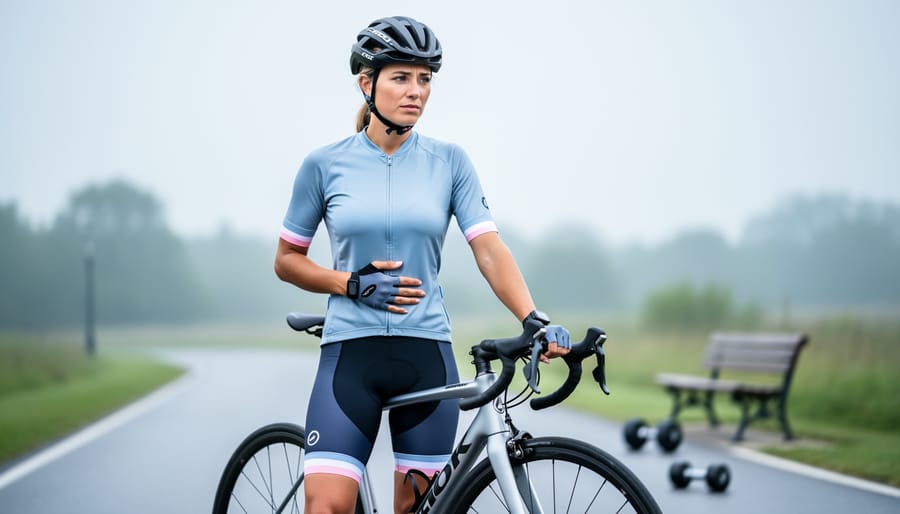
Managing primary dysmenorrhea while cycling doesn’t mean choosing between your training and your comfort. The most effective approach combines strategic NSAID use (ibuprofen as a loading dose at the first sign of pain, followed by regular dosing), topical heat therapy, and targeted exercise modifications that work with your menstrual cycle rather than against it. Research confirms that exercise itself serves as a powerful treatment for menstrual pain, and many cyclists find that moderate-intensity rides, resistance training, and pelvic floor exercises significantly reduce cramping intensity when timed correctly.
Here’s what makes this condition particularly frustrating for cyclists: primary dysmenorrhea refers to menstrual cramps without an underlying reproductive disorder, caused by prostaglandins that trigger uterine contractions. For women who’ve built consistent training schedules, those first 24 to 48 hours of a period can feel like an unwelcome disruption. You might wonder whether you should push through a scheduled interval session or take the day off entirely.
The good news is that you don’t have to choose between being a serious cyclist and managing your symptoms effectively. First-line treatments like NSAIDs and hormonal contraceptives are used empirically for up to three months, giving you measurable data about what works for your body. Beyond medication, both moderate-intensity aerobic exercise and resistance training have been shown more effective than other exercise types in reducing menstrual pain, which means your regular cycling and strength work already contribute to symptom management.
This guide walks you through the specific tools, timing, and modifications that let you train safely and verify that your management strategy is working.
Understanding Primary Dysmenorrhea and Its Impact on Cycling
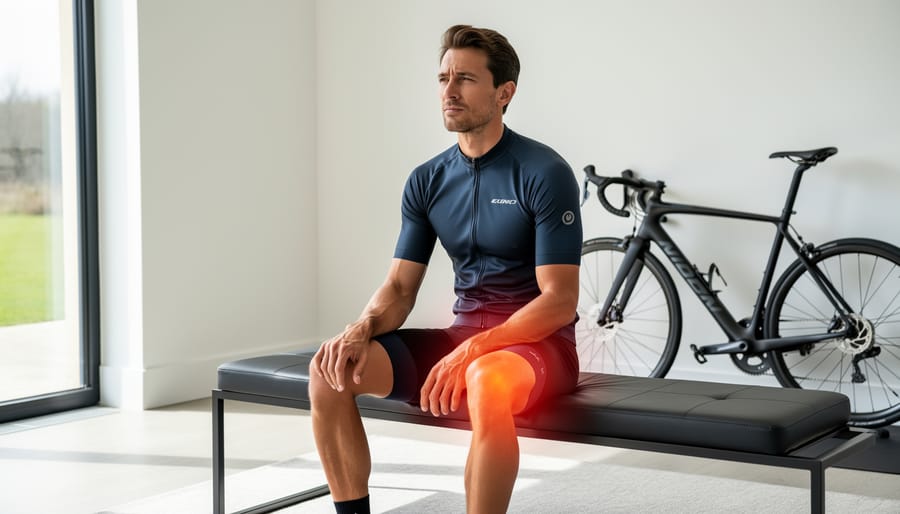
Primary dysmenorrhea is menstrual pain that happens without any underlying disease or structural problem in your reproductive system. It’s caused by uterine contractions triggered by prostaglandins during menstruation, and it’s incredibly common, affecting up to 90% of menstruating women at some point in their lives. Primary vs secondary dysmenorrhea is an important distinction: secondary dysmenorrhea results from conditions like endometriosis or fibroids, while primary dysmenorrhea occurs on its own, typically starting within a few years of your first period.
The symptoms you’re experiencing are familiar to many riders. Cramping in your lower abdomen is the hallmark, but you might also notice lower back pain, thigh aches, fatigue, nausea, and sometimes headaches or digestive upset. For cyclists specifically, these symptoms create unique challenges that go beyond general discomfort.
Core engagement matters tremendously on the bike, and cramping directly interferes with your ability to maintain a stable, powerful position. Your saddle position becomes more sensitive when you’re dealing with pelvic pain and bloating. The energy demands of training collide with the fatigue and potential nausea that dysmenorrhea brings. Perhaps most frustratingly, the unpredictability can disrupt your training consistency right when you’re building fitness or preparing for an event.
Here’s the reality: you’re far from alone in navigating this. Many women cyclists train through their periods successfully, and primary dysmenorrhea doesn’t have to derail your riding. Understanding what you’re dealing with is the first step toward managing it effectively, and the strategies that follow can help you stay strong in the saddle throughout your cycle.
What You’ll Need: Your Dysmenorrhea Management Toolkit

Managing primary dysmenorrhea effectively starts with preparation. Having the right supplies ready before symptoms hit means you can focus on your ride rather than scrambling for relief. Here’s what belongs in your dysmenorrhea management toolkit and why each item matters for cyclists specifically.
- NSAIDs (ibuprofen, naproxen, mefenamic acid, or aspirin): Ibuprofen offers the most favourable risk-benefit profile and works best when taken at the first sign of cramping or just before expected onset
- Portable heating patches: Adhesive heat wraps designed for activity stay in place under your base layer during rides and provide continuous warmth to your lower abdomen
- Period-specific padded shorts or extra chamois: Enhanced padding reduces pressure on sensitive areas when you’re already dealing with pelvic discomfort
- Backup supplies: Tampons, pads, or menstrual cups stored in your jersey pocket or saddle bag eliminate anxiety about being caught unprepared mid-ride
- Training log or tracking app: Recording symptom patterns, pain intensity, and how different rides affect your discomfort reveals what works for your body
NSAIDs form your first line of defense because they directly reduce the prostaglandins that cause menstrual cramping. Keeping them in your gym bag, jersey pocket, and home medicine cabinet ensures you can start treatment immediately. Heat therapy complements medication by relaxing uterine muscles, and modern adhesive patches stay secure even during intense efforts.
When you choose cycling shorts consider options with seamless construction or extra padding during your period. The added comfort makes a genuine difference when saddle contact aggravates cramping. Your tracking log becomes invaluable over time, helping you anticipate symptoms and plan training intensity around your cycle rather than being blindsided each month.
Safety Considerations and When to Modify Your Approach
NSAIDs are effective for primary dysmenorrhea, but improper dosing carries real risks. The most common issue is gastrointestinal upset or bleeding, particularly if you take NSAIDs on an empty stomach or exceed recommended doses. Always take ibuprofen or naproxen with food, and stick to the dosing instructions, the loading dose strategy (typically twice the regular dose initially, then regular dosing) works because it builds therapeutic levels quickly, but more isn’t better after that. If you have a history of stomach ulcers, kidney disease, or cardiovascular issues, consult your healthcare provider before using NSAIDs regularly. They interact with blood thinners, certain blood pressure medications, and some antidepressants, so review your current medications before starting treatment.
Know when to stop a ride. Moderate cramping that you’re managing with NSAIDs and heat is one thing; severe pain that intensifies despite treatment is another. If you experience sudden sharp pain that differs from your normal pattern, significant dizziness or lightheadedness (beyond typical period fatigue), or bleeding so heavy that you’re changing protection more than once per hour, stop riding and assess whether you need medical attention. Training smart means respecting these signals rather than gutting through them.
The difference between training through manageable discomfort and ignoring warning signals is crucial. Primary dysmenorrhea is predictable and responds to treatment, if your symptoms don’t fit that pattern, something else may be happening. Secondary dysmenorrhea (caused by conditions like endometriosis or fibroids) requires medical diagnosis and different management. If you’re consistently unable to complete rides, missing multiple training sessions per cycle, or finding that your established management strategy stops working, consult a healthcare provider rather than assuming this is just how it is.
Step-by-Step: Managing Dysmenorrhea Through Your Cycle
Step 1: Track and Anticipate Your Cycle

Knowing when your symptoms will hit is half the battle. Start by using a period-tracking app or adding cycle notes to your training log, log the first day of your period, symptom severity (rate cramping 1-10), and how you felt on each ride. After tracking two or three cycles, patterns emerge: you might notice that day one is your worst, or that symptoms peak 24 hours before your period starts.
Use this information strategically. If you know your hardest day typically falls on a Tuesday, don’t schedule your toughest interval session then. Plan recovery rides or strength training instead, and move high-intensity workouts to when you feel stronger. This isn’t giving in to your cycle, it’s training smarter around it.
Once you’ve identified your pattern, prepare your management toolkit in advance. Stock up on NSAIDs a week before symptoms typically arrive, check that you have fresh heat patches, and pack backup supplies in your cycling kit bag. When you anticipate the challenge, you remove the scramble and stress of last-minute drugstore runs mid-cramp. Preparation puts you in control, transforming an unpredictable disruption into a manageable part of your training rhythm.
Step 2: Start First-Line Treatment Early
The most effective strategy for managing primary dysmenorrhea is starting NSAIDs as first-line therapy before pain becomes severe. Research shows that ibuprofen has the most favorable risk-benefit profile among NSAIDs, making it the smart choice for most cyclists.
Timing matters significantly. Take your first dose at the very first twinge of cramping, or if your cycle is predictable, start 12-24 hours before symptoms typically appear. Waiting until you’re already in pain means you’re fighting an uphill battle, NSAIDs work best when they prevent prostaglandin buildup rather than trying to reverse it.
The NSAID loading dose strategy is evidence-based and particularly effective:
- Take a loading dose (typically 600-800mg ibuprofen, double the regular 400mg) with food at symptom onset
- Follow with regular doses (400mg ibuprofen) every 6-8 hours as needed
- Continue treatment for the first 1-3 days of your period, when symptoms are typically worst
- If symptoms persist beyond three cycles of treatment, consult your healthcare provider about alternative approaches
For cyclists, practical timing means taking your dose 30-45 minutes before a morning ride, always with food to protect your stomach. Pack extra doses in your jersey pocket for longer rides, you don’t want to be caught mid-century without relief. A small snack like a banana or energy bar counts as “with food” if you need to dose during a ride.
Step 3: Apply Heat Therapy Before and During Rides
Heat therapy works remarkably well for menstrual cramps because warmth increases blood flow and relaxes the uterine muscles causing your pain. The trick for cyclists is making it portable and compatible with your kit so you can actually use it when you’re riding, not just at home on the couch.
Start with a traditional heating pad thirty to forty-five minutes before you leave for your ride. Apply it to your lower abdomen while you’re getting dressed, stretching, or checking your bike. This pre-ride heat session reduces baseline pain intensity before you even clip in, giving you a head start on comfort.
For the ride itself, adhesive heat patches are your best option. Look for thin, flexible patches designed for continuous wear, the kind marketed for back pain work perfectly. Place the patch on your lower abdomen before pulling on your cycling shorts or bibs. Your base layer holds it securely against your skin, and the compression from your kit keeps it from shifting as you pedal. Choose patches that provide eight to ten hours of heat so you won’t lose warmth mid-ride.
If you’re planning a particularly hard effort, consider whether moderate intensity makes more sense today. Heat therapy works best when paired with exercise that feels manageable rather than grinding through intervals that avoid over-cycling your capacity during peak symptoms.
After your ride, reapply heat for twenty to thirty minutes while you rehydrate and stretch. This post-ride session continues the therapeutic effect and helps your body recover from both the exercise and the cramping.
Step 4: Modify Your Training Intensity Strategically
Here’s the thing about managing dysmenorrhea while training: exercise itself is one of your most effective treatments, but the type and intensity matter enormously. Research confirms that moderate exercise (ME) and rhythmic exercise (RE) are particularly effective at reducing menstrual pain, which is excellent news for cyclists since riding naturally provides both. The key is matching your training intensity to what your body can handle during peak symptoms.
When cramping hits hardest, typically the first day or two, choose steady-state rides over intervals. Think zone 2 endurance efforts rather than threshold repeats or sprint work. That rhythmic pedaling motion at moderate intensity provides therapeutic benefits without the added stress of high-intensity efforts that can amplify discomfort. You’re still training, just strategically. An hour of easy spinning often reduces pain more effectively than pushing through planned intervals and feeling miserable.
Don’t overlook your pelvic floor during rides. Pelvic floor exercises reduce pain intensity, and you can engage these muscles while cycling. Focus on gentle activation during easier riding sections, which both supports your core and provides pain relief.
Listen to what your body tells you. If yesterday’s moderate ride left you feeling better but today’s planned workout feels impossible, swap it for recovery pace. You’re not losing fitness by modifying a few days each month. You’re managing a medical condition intelligently while staying active, which keeps you stronger and more consistent in the long run than forcing through sessions that leave you depleted.
Exercise as Treatment: How to Ride Through Dysmenorrhea
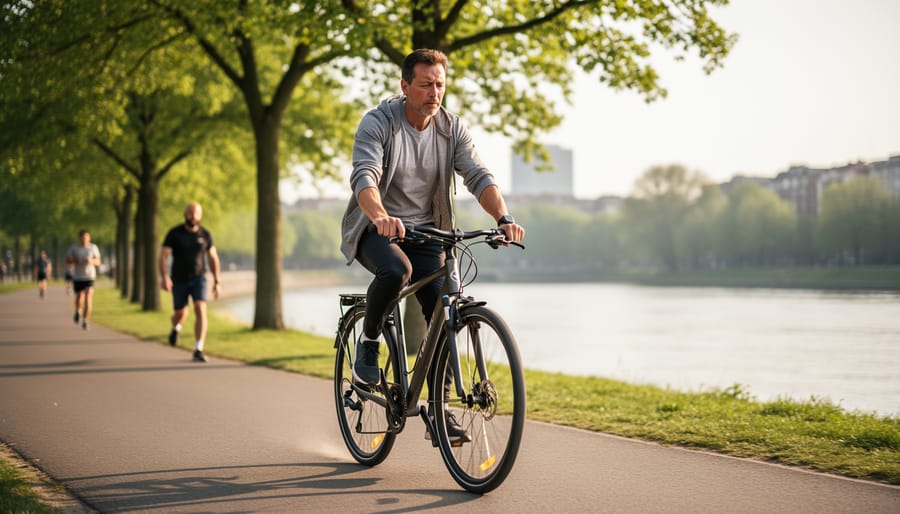
Here’s your chance to reframe how you think about riding during your period: exercise isn’t something you do despite dysmenorrhea, it’s actually one of the most effective treatments for it. Research confirms that exercise interventions work as a primary treatment for menstrual pain, and Cycling offers a near-perfect platform for the specific types of movement that provide the most relief.
The key is understanding which exercise intensities deliver therapeutic benefits. Moderate exercise (ME) and rhythmic exercise (RE) consistently outperform other exercise types in reducing menstrual pain. Cycling excels at both. When you settle into a steady spin at conversational pace, say, 60-70% of your threshold, you’re creating the rhythmic, repetitive motion that helps reduce cramping. That gentle pedal stroke, maintained for 30-45 minutes, triggers endorphin release and increases blood flow to cramping muscles without overwhelming your already-taxed system.
Think easy outdoor cruising instead of structured intervals during your worst symptom days. A relaxed 90-minute social ride at zone 2 delivers therapeutic benefits, whereas a VO2 max session demands energy and creates stress that can amplify discomfort. You’re not skipping training; you’re choosing the workout that serves double duty as pain management.
Pelvic floor engagement during riding adds another layer of relief. When you maintain core stability through pedal strokes, especially on rolling terrain or during out-of-saddle efforts, you’re performing pelvic floor exercises (PFE) that reduce pain intensity. This doesn’t mean grinding up climbs when you feel terrible. It means gentle engagement through your natural riding position provides therapeutic benefits without dedicated floor exercises.
Balancing therapeutic exercise with training goals requires flexibility in your plan. Swap Tuesday’s threshold session for an easy spin. Move Saturday’s long ride to Sunday if symptoms peak early in the weekend. The point isn’t to abandon structure but to recognize that moderate, rhythmic riding serves your training and your immediate comfort. You’re working with your body’s needs, not fighting against them, and that approach keeps you consistent over the long term.
Beyond Medication: Additional Strategies for Cyclists
Complementary strategies can make a significant difference when NSAIDs and heat aren’t enough on their own. Start with hydration: drink more than you think you need in the days before your period starts to reduce bloating and maintain energy levels during rides. Cut back on caffeine and salt, which can worsen fluid retention and cramping. During rides, steady carbohydrate intake keeps your energy stable when fatigue is already an issue.
Saddle adjustments matter more than you might expect. Tilt your saddle nose down slightly (just a degree or two) to reduce pressure on your lower abdomen. If you normally ride an aggressive position, consider raising your bars temporarily to open your hip angle and take strain off your core. These small changes can transform a miserable ride into a manageable one.
- Choose seamless or flatlock-seam cycling shorts to minimize irritation and pressure points
- Wear compression shorts under your bibs for the benefits of compression on circulation and muscle support
- Layer moisture-wicking women’s sports clothing to manage temperature fluctuations
- Pack extra supplies and know where restrooms are on your route
Mental strategies help too. Reframe the ride as active treatment rather than something to “get through.” Focus on process goals like smooth pedaling or maintaining a conversational pace instead of hitting power numbers. Many riders find that shifting attention to technique or scenery makes discomfort less dominant.
Hormonal contraceptives empirically used for up to three months are a first-line treatment option if other strategies aren’t controlling your symptoms. Discuss this with your healthcare provider if you’re missing rides regularly or NSAIDs aren’t sufficient, especially if you’re also seeking contraception or have other cycle-related issues affecting your training consistency.
How to Know Your Strategy Is Working
You’ll know your management strategy is working when you notice three key changes: your pain intensity decreases compared to previous cycles, you can complete modified training sessions without stopping early, and each month feels slightly more manageable than the last. Track these metrics in your training log alongside your cycle dates, note pain levels on a simple 1-10 scale, which workouts you completed versus skipped, and whether you needed rescue medication mid-ride. Over two to three cycles, patterns emerge that show whether your approach is effective.
Successful management doesn’t mean zero pain. It means reduced cramping that doesn’t derail your ride, the ability to maintain consistency even if you’re spinning easier gears, and confidence that you have tools that work. If you’re finishing rides instead of cutting them short, if you’re needing fewer NSAIDs or lower doses, or if your “bad day” now resembles what used to be a moderate day, your strategy is working.
If after three months of consistent first-line treatment (NSAIDs, heat therapy, strategic exercise modifications) you’re not seeing improvement, that’s your signal to consult a healthcare provider. The three-month empirical treatment window is standard medical practice, and reaching that point without relief suggests you may benefit from hormonal contraceptives or need evaluation to rule out secondary causes. Similarly, if your symptoms worsen despite treatment, don’t wait, seek medical advice sooner.
Effective management is personal. What works brilliantly for your training partner might not suit you. Give each strategy at least two cycles before abandoning it, adjust one variable at a time so you know what helps, and trust your body’s feedback.
Common Questions from Women Cyclists
Can I continue training through painful periods, or should I take rest days? Many women worry that riding makes dysmenorrhea worse, but exercise actually functions as an effective treatment. Moderate and rhythmic exercise, exactly what easy to moderate-paced cycling provides, reduces menstrual pain intensity more effectively than remaining sedentive. You don’t need to stop riding; instead, modify your intensity on the worst days. Swap high-intensity intervals for steady zone 2 efforts or easy recovery spins, and you’ll likely find that movement helps more than complete rest.
What about racing during my period? You can absolutely race while menstruating if you feel up to it, though you might perform slightly below your peak on the heaviest flow days. Start your NSAID protocol the day before the race if your cycle is predictable, use a loading dose (typically twice the regular amount) first thing race morning, and apply a heat patch under your kit for the warm-up. Many professional cyclists race during their periods with proper management; it comes down to how your body responds and whether you’ve found a medication and timing strategy that works.
How do I manage dysmenorrhea on long group rides?
Pack NSAIDs in a jersey pocket or saddle bag, take them with food at a rest stop, and communicate with the group that you might need to ease up on climbs or pulls. Most riding partners are supportive when you’re honest about what you’re managing.
What if NSAIDs upset my stomach?
Always take ibuprofen or naproxen with food, never on an empty stomach before a ride. If you still experience gastrointestinal issues, try switching to ibuprofen if you were using naproxen, or discuss mefenamic acid with your doctor as an alternative.
Is it normal to have good and bad cycles even with the same management approach?
Yes, symptom severity naturally varies month to month due to hormonal fluctuations, stress levels, and training load. Track patterns in your log, but don’t expect perfect consistency.
When should I consider hormonal contraceptives?
If first-line treatments (NSAIDs, heat, exercise modifications) don’t provide adequate relief after three months of consistent use, hormonal contraceptives are the next empirical treatment option worth discussing with your healthcare provider.
The three-month timeline matters because it takes that long to properly assess whether your current strategy is working. Some cyclists find their management approach becomes more effective over time as they learn their patterns and fine-tune medication timing. Others discover that NSAIDs alone aren’t sufficient, which signals it’s time to explore hormonal options or investigate whether there’s an underlying cause beyond primary dysmenorrhea. Keep detailed notes in your training log about pain levels, medication timing, and which rides felt manageable versus miserable, that data becomes invaluable when deciding whether to adjust your approach or seek additional medical input.
Primary dysmenorrhea doesn’t have to derail your cycling. With the right combination of NSAIDs, heat therapy, and strategic exercise modifications, you can manage symptoms effectively while maintaining your training schedule. You’ve learned that starting treatment early, applying heat before and during rides, and using exercise itself as a therapeutic tool can significantly reduce pain intensity. These aren’t just workarounds, they’re evidence-based strategies that many women cyclists use successfully.
You don’t need to choose between your menstrual cycle and your passion for riding. With preparation, the management toolkit we’ve covered, and a willingness to adjust intensity when needed, you can stay on your bike year-round. Track your patterns, experiment with what works for your body, and remember that successful management looks different for everyone.
Connect with other women cyclists about what strategies work for them. Share your own discoveries. The cycling community thrives when we support each other through challenges like this, and chances are, many riders in your group have navigated the same territory. You’ve got the knowledge, the tools, and the strength to manage this. Now get out there and ride.