
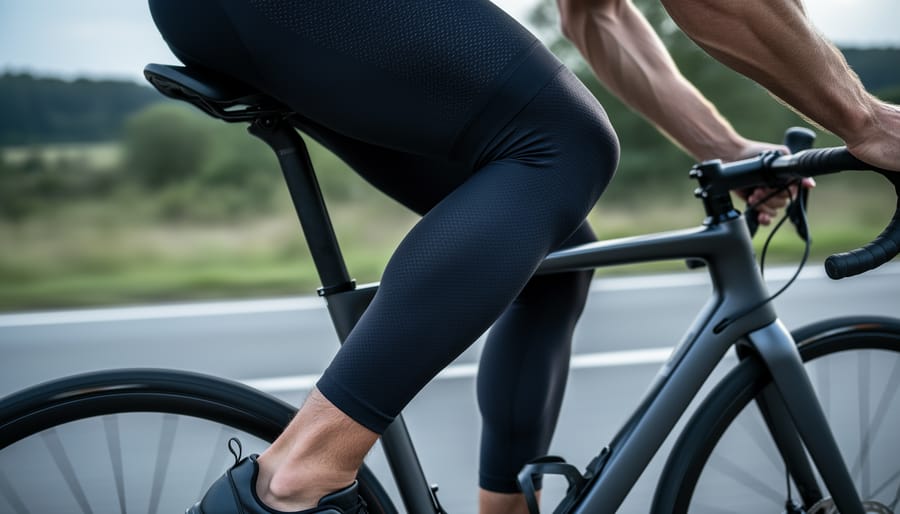
Compression pants are close-fitting cycling bottoms, usually tights or leggings, made from stretchy fabric that applies firm, graduated pressure to your legs, strongest at the ankle and easing toward the thigh. Think of them as a supportive second skin that hugs your muscles while you ride, and sometimes while you recover afterward.
So why do so many riders swear by them? People most often mention legs that feel steadier on long rides, less muscle wobble over rough roads, and a calmer, less heavy feeling the next day. The research is more mixed than the marketing suggests. Some studies point to modest comfort and recovery perks, while others find little measurable difference, and that’s worth knowing before you spend any money.
This guide keeps things honest and practical. We’ll cover how compression pants work, the benefits riders actually notice, the different styles on offer, and where they fit into everyday riding, from commutes to weekend adventures. Whether you’re clipping in for your first 20 kilometers or you’ve got a few thousand under your belt, you’ll come away knowing if they’re worth trying for your own legs.
What Compression Pants Actually Are
Compression pants are snug, stretchy leg garments that squeeze your legs with gentle, steady pressure. The squeeze isn’t even all the way up, though. Most well-made pairs are firmest around the ankle and ease off gradually toward the thigh, which is meant to encourage blood to keep moving back toward your heart.
So how are they different from the cycling gear already in your drawer? Regular cycling tights keep you warm and protected from the wind, but they’re cut to move with you, not to hug your muscles. Leggings are made for general comfort and usually have no targeted pressure at all. Bib shorts hold a padded chamois in place and stay put on the saddle, but they stop above the knee and aren’t designed to squeeze your calves and thighs. Compression pants sit in their own category: the fit itself is the feature.
Why does that matter on a bike? Hours of pedaling means your legs are working hard, absorbing road buzz, and sometimes sitting still for a long stretch afterward. Compression is meant to help your legs feel supported through all of it. Here’s a quick glossary of terms you’ll run into while shopping:
- Graduated compression
- Pressure that’s strongest at the ankle and gradually lighter toward the thigh.
- Compression rating (mmHg)
- A number showing how firmly a garment squeezes, measured in millimeters of mercury. Higher means tighter.
- Muscle oscillation
- The small wobble or vibration in your muscles as you pedal and roll over rough pavement.
- Recovery wear
- Compression pieces made for wearing after a ride, on rest days, or while traveling, not necessarily while pedaling.
- Chamois
- The padded insert in cycling shorts and some pants that cushions you on the saddle.
And here’s the reassuring part: you don’t need to race, own a fancy bike, or ride hundreds of miles to wear them. Plenty of commuters, weekend riders, and returning cyclists simply like how supported their legs feel.
How Compression Works on Your Legs While You Ride
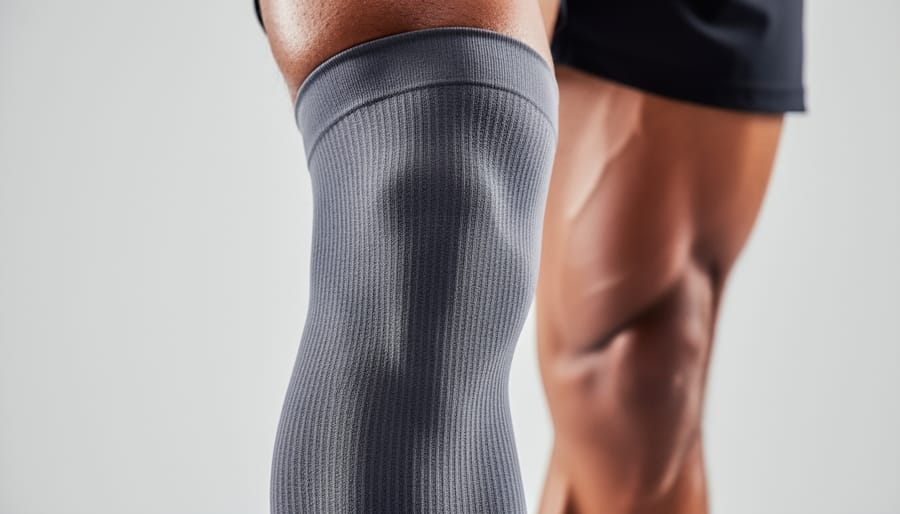
Think of compression pants as a gentle, constant hug for your legs. The fabric is knitted to squeeze a little more at the ankle and ease off as it moves up toward the thigh. That graduated pressure is the whole idea, and it’s why these pants feel different from ordinary tights.
So what’s actually happening under the fabric? The leading theory is that the light pressure helps your veins and muscles move blood back toward your heart, which supports circulation while you pedal and while you sit still afterward. Some riders also like that the snug fit holds the muscles in place. Road buzz and the repeated push of pedaling make your leg muscles jiggle ever so slightly, and compression may calm some of that, which can leave your legs feeling steadier and a bit less tired.
Here’s the honest part. Research on compression is mixed. Some studies find small improvements in how sore people feel after hard efforts, and others find little difference in measurable performance. The benefits tend to be modest and very personal. A lot of riders simply report feeling more supported and comfortable, and that counts for something, even if a lab can’t always measure it.
That perspective is freeing. You don’t need to expect miracles or chase a specific result. If you pull on a pair and your legs feel good on a long ride or the morning after, that’s a perfectly valid reason to keep wearing them. If you don’t notice much, that’s normal too, and it doesn’t mean you did anything wrong. Your own legs are the best judge here. Try them on a few different rides, pay attention to how you feel, and let your experience guide you rather than the hype.
The Benefits Riders Notice Most
During the Ride
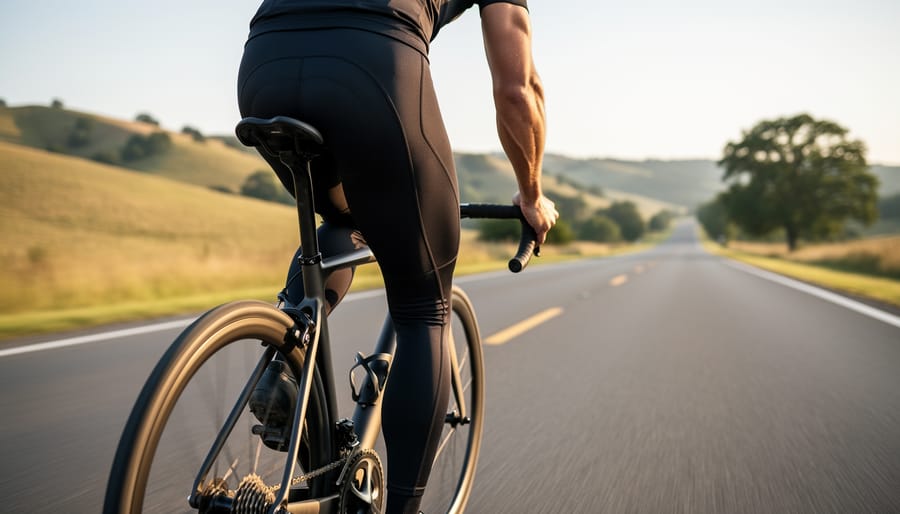
On a long ride, the first thing many riders notice is a steady, hugged feeling through the thighs and calves. That gentle pressure can keep your legs feeling supported when the miles stack up, especially on climbs where muscles work hard and fatigue sneaks in. Some riders say it helps them settle into a rhythm sooner, and discovering the power you didn’t know you had on a hill often feels a little easier when your legs aren’t buzzing from road vibration.
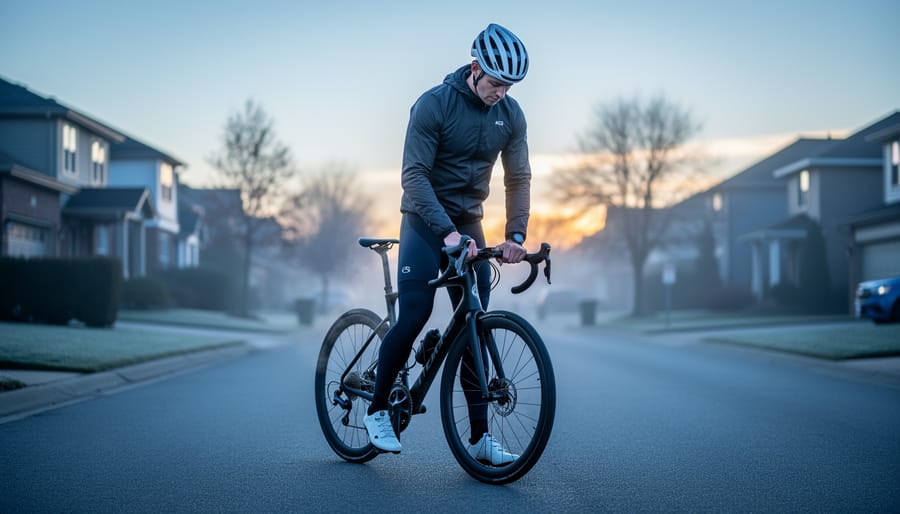
Comfort matters just as much. Flat seams and a smooth, stretchy fabric mean less rubbing, so you can stop thinking about your clothes and just ride. On chilly mornings, the snug fit traps a thin layer of warmth against your skin without the bulk of heavy tights. That makes the first cold half hour far more pleasant, and you’re not stuffing extra layers into your pockets later.
After the Ride
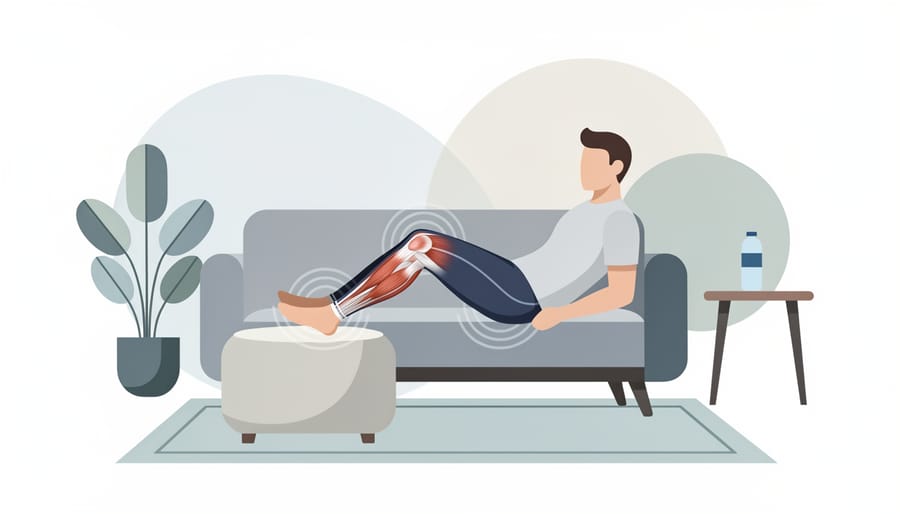
Some riders say the real payoff comes once the bike is back in the garage. Slipping on compression pants after a long ride can leave your legs feeling more settled, as if the day’s work is being quietly smoothed out. Studies on soreness and recovery are mixed, with some showing a small reduction in perceived soreness and others showing very little change, so think of it as a comfort bonus rather than a guarantee.
Plenty of riders wear them on rest days, when legs still feel a little heavy, or keep them on for the drive home after a big weekend. They’re also popular on flights and long car trips, where sitting still can leave your legs feeling puffy and tired. If you’re curious, start by wearing a pair for a few hours after your next ride and notice how your legs feel. Your own experience is the best guide.
Styles of Compression Pants for Cycling
Compression legwear isn’t one-size-fits-all, and the right style depends on how you ride. Here’s a quick map of the main options before we get into the details:
- Full-length compression tights: best for long rides, chilly mornings, and climbs where steady support helps.
- Three-quarter or capri compression pants: best for warmer weather, commuting, and riders who run hot.
- Compression-lined cycling pants with a built-in chamois: best for all-in-one comfort on longer saddle time.
- Recovery-only compression pants: best for rest days, travel, and relaxing after a big ride.
Which one suits you often comes down to the kind of riding you do most. The different kinds of biking each ask something slightly different of your gear, so a weekend gravel rider and a daily commuter may happily choose different styles.
Fit matters more than almost anything else. Compression should feel snug and supportive, never painful or restrictive. If you’re between sizes, check the brand’s sizing chart against your measurements rather than guessing, and look for brands that offer a wide size range. Many companies now make women-specific cuts with more room through the hips and a shaped waistband, which some riders find more comfortable. Others prefer a unisex or men’s cut, and that’s perfectly fine too. Choose whatever fits your body.
Fabric is worth a look as well. Seek out stretchy, moisture-wicking blends (often nylon or polyester with elastane) that feel smooth against the skin and dry quickly. A thin brushed lining can add warmth for cooler rides.
For all-day comfort, check the details:
– Flatlock or bonded seams that sit flat against your skin and won’t rub on longer rides.
– A wide, soft waistband that stays put without digging in when you’re folded over the handlebars.
– Gripper-free hems or gentle ankle cuffs that hold their place without pinching.
Take a quick pedaling motion in the fitting room if you can. Whether you’re weighing gravel vs road or just heading out on a casual weekend spin, a pair that moves with you will always beat one that only looks good standing still.
How Riders Use Compression Pants in Real Life
Whatever your riding looks like, there’s a way to make compression pants work for it.
On long road rides and gran fondos, many riders wear full-length or three-quarter compression pants for steady support over hours in the saddle. If you wear them under or over a chamois, keep the layers smooth so nothing bunches. If you’re still working out how to choose cycling shorts that pair well with them, start with comfort at the waistband and thigh.
Commuters often like compression pants because they’re low-fuss and warm on chilly mornings. For touring and bikepacking, they can be a comfortable base layer on big mileage days and a cozy recovery layer once camp is set up. On the indoor trainer, a snug fit keeps you from feeling restricted while you spin, and sweat-wicking fabric helps.
Recovery days are where many riders get the most out of them. Slip them on after a hard ride, on a rest day, or for a long drive home. Wearing them for a few hours is usually plenty, and most people take them off before bed unless a product says it’s designed for overnight use.
Some quick tips:
– The fit should feel snug and supportive, never painful or numbing.
– Check seams and waistbands for rubbing before a long ride.
– Wash cold, skip fabric softener, and air-dry to keep the stretch.
If you’re new to all this, you don’t need to spend big. A basic pair you already own can be a good way to see how compression feels. Pay attention to the warning signs your body gives you, like tingling or pinching, and adjust the fit or take a break. Try one ride, notice how your legs feel, and go from there.
Common Questions About Compression Pants and Cycling
Here are the questions riders ask most, answered plainly.
Do compression pants really improve performance?
The research is mixed, and any boost tends to be small and personal. Many riders find they simply feel more supported, which can make a long ride more enjoyable on its own.
How tight should they feel?
Snug and supportive, but never painful. If they pinch, leave marks, or numb your legs, go up a size.
Can I wear them with a chamois or under cycling shorts?
Yes, plenty of riders do. Pick a style with a built-in chamois, or layer shorts over compression tights, as long as nothing bunches up where you sit.
Are they worth the cost?
It depends on how you ride. Start with one affordable pair, see how your legs feel, and decide from there.
As for washing, keep it simple. Cool water on a gentle cycle with mild detergent is usually enough. Skip fabric softener, which can wear down the stretch, and let them air dry rather than tumble dry. Treated this way, a good pair keeps its shape for a long time.
Compression pants won’t turn you into a different rider, and they don’t need to. For many of us, they’re simply a snug, supportive layer that makes long rides, chilly commutes, and rest days feel a little kinder on the legs. The benefits really do vary from person to person, so the best test is your own experience.
Try a pair that fits well and feels good, wear them on a ride or two, and notice what changes. If they help, great. If not, that’s useful to know too.
We’d love to hear your compression stories, so share them with the community and keep enjoying the ride.