
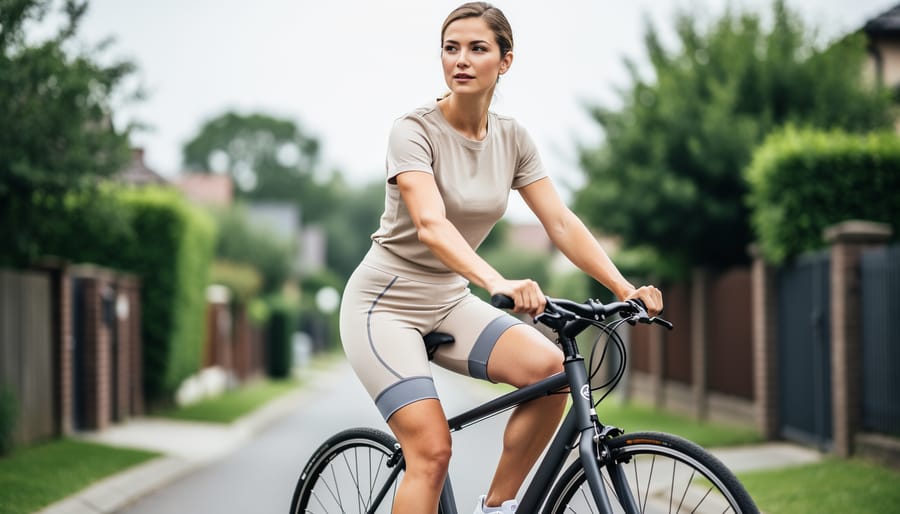
Cotton cycling shorts can work beautifully for casual rides, errands, and shorter distances, but they’re rarely the right choice for serious training or long-distance cycling. If you’re looking for breathable comfort on neighborhood rides, value natural fibers for sensitive skin, or simply prefer the feel of cotton over synthetic fabrics, several well-designed options exist in 2026 that balance comfort with reasonable performance.
The truth most articles won’t tell you upfront: pure cotton holds moisture, takes forever to dry, and can cause chafing on rides longer than an hour. But cotton-blend cycling shorts, particularly those mixing cotton with a small percentage of spandex or moisture-wicking materials, offer a middle ground that many casual cyclists find perfect for their needs.
Your riding style matters more than fabric dogma. If you’re commuting three miles to work, cycling to the farmer’s market, or enjoying leisurely weekend rides, cotton or cotton-blend shorts can serve you well without the premium price tag of technical gear. Women who experience skin reactions to polyester or simply dislike the feel of synthetic fabrics shouldn’t feel pressured into materials that make them uncomfortable.
This guide walks you through what actually works in cotton cycling shorts, from understanding the different types available to spotting quality construction that won’t fall apart after a few washes. We’ll cover when cotton makes sense for your cycling routine and, just as importantly, when it doesn’t. You’ll learn to evaluate features like chamois quality, inseam length, and fit without getting caught up in marketing hype or spending money on options that won’t meet your real-world needs.
What You Need to Know Before Buying Cotton Cycling Shorts

Cotton cycling shorts offer genuine advantages for certain types of riding, but understanding their limitations helps you choose wisely. Unlike synthetic fabrics engineered for performance cycling, cotton excels at softness and breathability during low-intensity rides but struggles with sweat management during sustained effort. Before committing to cotton, consider your typical ride duration, intensity, and weather conditions.
Cotton’s Performance Reality
Cotton feels wonderful against skin and breathes naturally, making it ideal for casual neighborhood rides or short errands. The fabric’s soft texture reduces irritation for women with sensitive skin who react poorly to synthetic materials. However, moisture management in cotton differs significantly from technical fabrics. Cotton absorbs moisture rather than wicking it away, which means extended rides or sweaty efforts leave you damp. For rides under 45 minutes at a relaxed pace, this rarely causes problems. Push harder or ride longer, and that dampness leads to chafing and discomfort.
When Cotton Makes Sense
Cotton cycling shorts shine for specific situations. Neighborhood rides, coffee shop trips, park loops with friends, and bike commutes under 30 minutes all suit cotton well. Women who cycle primarily for transportation rather than fitness often prefer cotton’s versatility, as these shorts transition easily from bike to errands without looking overly athletic. Cotton also works for multi-sport activities like yoga or pilates where you want modest coverage and natural fibers.
Construction Quality Matters More
Since cotton lacks the forgiving stretch of Lycra, construction quality becomes critical. Look for flatlock seams that sit flat against skin rather than bulky traditional seams that chafe. The waistband should have enough elastic to stay put without digging in, typically a blend rather than pure cotton for better recovery. Check the inseam length, shorter inseams ride up more easily in cotton than in stretchy synthetics. Quality cotton shorts use a tighter weave and slightly heavier weight fabric that holds shape better through repeated wear and washing.
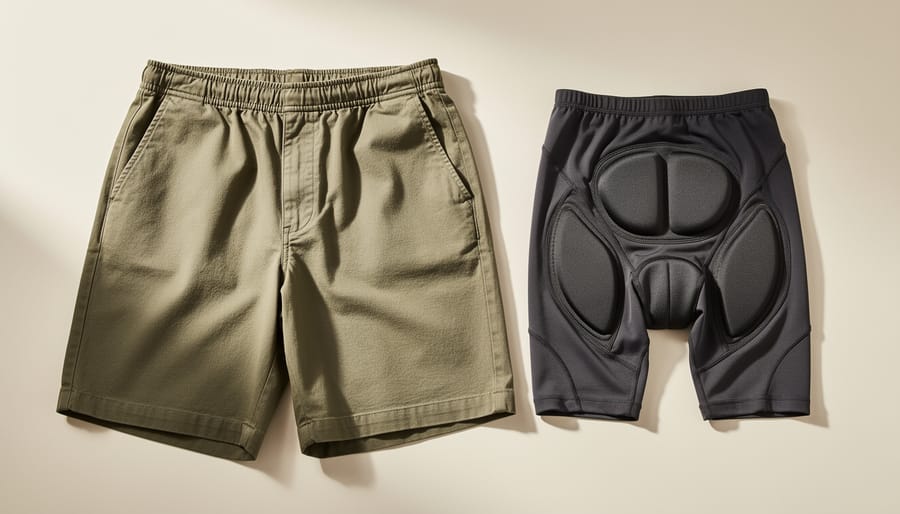
Chamois compatibility deserves attention if you plan longer rides occasionally. Most cotton cycling shorts do not include built-in padding, so you will need to wear a separate padded liner underneath or accept minimal cushioning for short trips.
Types of Cotton Cycling Shorts for Women Compared
100% Cotton vs. Cotton Blends
Pure cotton shorts offer the natural fiber experience many women seek, soft against sensitive skin, breathable, and free from synthetic materials. They typically feel cooler in hot weather and are less likely to trap odors. However, 100% cotton lacks stretch, which means it won’t move with your body as you pedal. Once cotton absorbs sweat, it stays wet and can become heavy and uncomfortable on longer rides. It also takes ages to air-dry, making it impractical if you ride daily.
Cotton blends, usually with 5-15% spandex or elastane, solve the stretch problem while keeping that cotton feel against your skin. These shorts move with you, return to their original shape after washing, and typically last longer because the elastic fibers prevent sagging and bagging. Cotton-polyester blends dry faster than pure cotton and often resist pilling better, though they sacrifice some of that all-natural appeal.
For casual neighborhood spins under 30 minutes, pure cotton works fine. For regular riding, commuting, or anything sweaty, a cotton-dominant blend with at least 5% stretch fiber gives you comfort without the downsides.
Built-In Padding vs. Separate Chamois
The padding decision significantly impacts both comfort and how you’ll use your cotton cycling shorts.
Cotton shorts with built-in chamois offer convenience, you pull them on and go, with no layering required. The integrated padding stays in place throughout your ride and creates a streamlined look. However, you’re locked into washing the entire short after each ride, which can wear out the fabric faster. The chamois quality in cotton shorts varies widely, so examine thickness and stitching carefully before buying.
Separate chamois liners give you more flexibility. You can wear the same cotton shorts multiple times between washes, swapping in a fresh padded liner each ride. This approach extends the life of your shorts and lets you adjust padding thickness based on ride length. The downside? You’re managing two garments, which adds bulk and potential for shifting. Some women find the double-layer less comfortable in hot weather.
For casual, shorter rides under an hour, many cyclists skip padding entirely with cotton shorts. For anything longer or involving a harder saddle, you’ll want protection, whether built-in or separate depends on how often you ride and whether you value convenience over versatility.
Style and Length Options
Cotton cycling shorts come in styles ranging from relaxed, bike-friendly cuts to more athletic fits, each serving different purposes. Casual styles often feature a looser leg and elastic waistband, perfect for neighborhood rides or running errands by bike. Semi-fitted options offer more structure without the compression of technical shorts, balancing freedom of movement with reduced fabric bunching.
Length significantly impacts your riding experience. Short inseams (3-5 inches) work well for hot weather and casual spins but may ride up on longer journeys. Mid-thigh lengths (7-9 inches) are versatile choices that prevent chafing between your thighs while staying cool. Knee-length options provide maximum coverage and sun protection, ideal for upright riding positions or modest preferences, though they can feel restrictive during intense pedaling.
Consider your bike type when choosing length. Upright city bikes accommodate longer shorts comfortably, while road or hybrid riding positions often work better with shorter to mid-length options that won’t bunch behind your knees. Try sitting in a cycling position when shopping, the fabric should stay in place without pulling or creating uncomfortable pressure points.
What to Look for in Quality Cotton Cycling Shorts
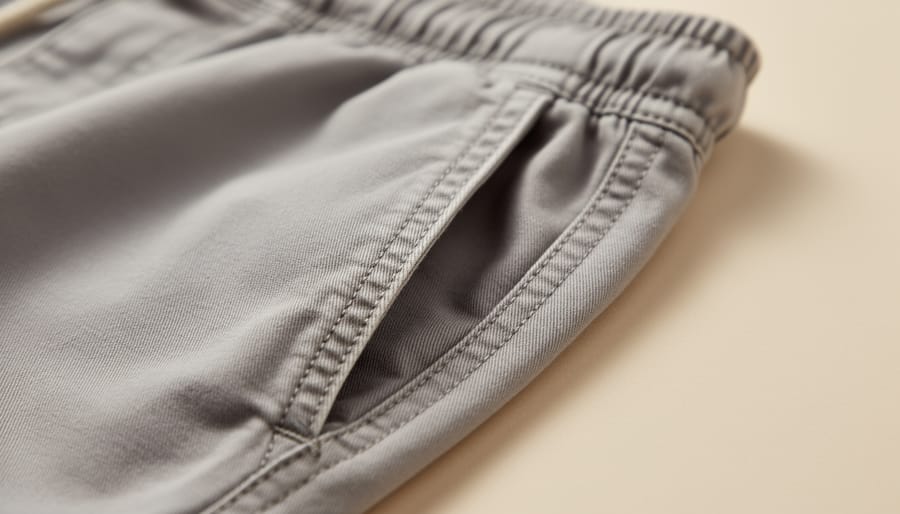
Quality separates shorts that’ll serve you well from those destined to languish in your drawer. Here’s what to examine before you buy.
Start with the fabric itself. Weight matters more than you might think. Look for a GSM (grams per square meter) between 180-220 for cycling shorts, heavy enough to avoid sheerness and provide structure, but light enough to remain breathable. Hold the fabric up to light; you shouldn’t see through it when stretched. The weave should feel smooth against your skin, not rough or pilly. A tighter weave typically means better durability and less pilling after repeated wear and washing.
Seams tell you a lot about construction quality. Flatlock seams lie completely flat against your skin and reduce chafing significantly compared to traditional overlapped seams. Run your finger along the inseam and side seams, you should barely feel them. Traditional seams can work if they’re positioned away from high-friction areas, but flatlock construction is worth seeking out for cycling-specific shorts. Check that all seams are double-stitched for durability.
The waistband can make or break your ride. A wide, soft waistband (at least 1.5 inches) distributes pressure better than a thin elastic band that digs in. It should lie flat without rolling or bunching when you bend forward into a riding position. Some quality shorts feature a drawstring for adjustability, which helps if you’re between sizes or want different fits for different rides.
Essential quality markers to check:
- Fabric weight of 180-220 GSM for the right balance of coverage and breathability
- Flatlock seams throughout, especially at the inseam and side seams
- Waistband at least 1.5 inches wide with no exposed elastic edges
- Reinforced stitching at stress points like the crotch and pocket openings
- Bar-tack reinforcement where seams intersect
Inseam length affects both comfort and performance. For cycling, you want enough length to prevent ride-up but not so much that fabric bunches behind your knees. Most women find 7-9 inches ideal for cycling, though this varies with leg length. Look for shorts with silicone grippers or a turned-under hem at the leg opening to prevent creeping.
If pockets are included, check their placement and construction. Side pockets should sit flat and secure, with reinforced openings that won’t stretch out. Back pockets work well for casual rides but can be uncomfortable when leaning forward on the bike. Double-check that pocket seams won’t create pressure points where you sit on the saddle.
Cotton Cycling Shorts Recommendations for Different Riders
Finding cotton cycling shorts that match your riding style means looking at what you actually do on your bike, not what you think you “should” be doing. A casual rider pedaling to coffee shops has different needs from someone commuting fifteen miles each way, and there’s no prize for choosing discomfort over what genuinely works for your rides.
For casual neighborhood rides and errands under thirty minutes, prioritize comfort and movement over technical features. Cotton-spandex blends with 5-15% stretch work beautifully here, they move with you as you mount and dismount, won’t restrict your range of motion when you lift your leg over the crossbar, and feel soft against your skin without clinging. Look for mid-thigh length with a comfortable waistband that won’t dig in when you lean forward. These shorter rides don’t generate enough continuous friction or perspiration to make cotton’s slower moisture evaporation a problem, and you’ll appreciate the breathability on warm days.
Commuters and errand runners benefit from cotton shorts that don’t scream “cycling gear.” Dark colors hide city grime, and styles with discrete pockets let you carry your phone, keys, or transit card without a bag. Choose shorts with reinforced seams and a slightly heavier cotton blend, around 7-9 ounces, that can handle daily wear and frequent washing. A longer inseam, hitting just above the knee, gives you coverage for locking up your bike or ducking into shops without feeling exposed.
Women using cotton shorts for yoga, Pilates, or cross-training alongside cycling want versatile pieces that transition between activities. High-waisted cotton-modal or cotton-bamboo blends offer excellent stretch recovery, meaning they won’t bag out after your third sun salutation. The higher rise stays put during core work, and the soft drape works for both the bike and the studio. Avoid shorts with bulky seams or thick waistbands that create pressure points in floor poses.
Hot weather cyclists should seek lightweight cotton gauze or cotton-linen blends that maximize airflow. These fabrics feel almost weightless and dry faster than standard cotton jersey. Lighter colors reflect heat, and looser fits allow air circulation between your skin and the fabric. You’re trading the compression fit of technical shorts for serious breathability, a worthwhile exchange for gentle rides in sweltering conditions.
Beginners transitioning into cycling often feel more confident starting with familiar fabrics. Cotton shorts remove one variable from an already new experience, letting you focus on bike handling and building fitness without adjusting to synthetic materials. Choose affordable options initially, knowing your preferences may evolve as your riding develops. Cotton-polyester blends around 60/40 offer a gentle introduction to performance features while maintaining cotton’s recognizable comfort.
Budget-conscious riders can find quality cotton cycling shorts by shopping off-season sales, checking athletic retailers’ house brands, or exploring general activewear rather than cycling-specific lines. Prioritize good construction, flatlock seams, reinforced crotch gussets, quality elastic, over brand names. A well-made basic cotton short from a general sportswear company often outperforms a poorly constructed “cycling” short at the same price point.
Common Mistakes to Avoid When Choosing Cotton Cycling Shorts
Choosing cotton cycling shorts doesn’t have to be complicated, but a few common missteps can leave you frustrated with your purchase. Understanding these pitfalls helps you find shorts that genuinely work for your riding style.
The biggest mistake is treating cotton like technical fabric. Cotton won’t wick sweat away from your skin or dry quickly during a ride. If you’re planning a 30-mile charity ride or tackling hills in summer heat, you’ll likely end up soaked and uncomfortable. Save cotton shorts for rides under 10 miles, casual cruising, or low-intensity cycling where you won’t work up a serious sweat. For anything more demanding, technical fabrics are worth the investment.
Fabric weight matters more than most riders realize. Heavy cotton feels substantial in the store but turns into a clammy, slow-drying burden once you’re moving. Look for mid-weight cotton or lightweight blends that offer some structure without the bulk. Pick up the shorts, if they feel noticeably heavy when dry, they’ll feel worse when wet.
- Expecting moisture-wicking performance from pure cotton during long or intense rides
- Choosing fabric that’s too heavy, leading to discomfort and extended drying times
- Sizing too tight, which restricts pedaling motion and causes pressure points
- Sizing too loose, creating excess fabric that bunches and chafes on the saddle
- Ignoring seam construction and ending up with irritating rubbing along inner thighs
Getting the fit right prevents most comfort issues. Shorts that are too tight dig into your waist and thighs, restricting your pedal stroke. Too loose, and the fabric bunches between you and the saddle, creating friction with every revolution. Cotton shorts should fit snugly around your hips and thighs without pinching, with enough stretch to move freely through your full pedaling range.
Don’t skip the seam check. Thick, raised seams along the inseam will rub with every pedal stroke, especially on longer rides. Quality cotton cycling shorts use flat-lock seams or position seams away from high-friction zones. Run your hand along the inseam before buying, if you can feel a ridge, you’ll definitely feel it on the bike.
Caring for Your Cotton Cycling Shorts
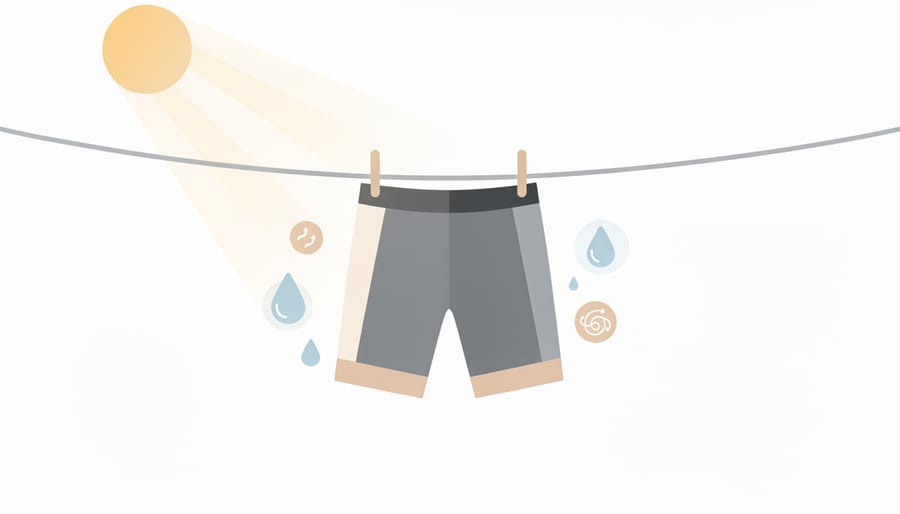
Cotton cycling shorts need different care than technical fabrics, but a simple routine keeps them comfortable ride after ride. Wash your shorts in cool or lukewarm water, hot water accelerates shrinkage and breaks down the fibers faster. Turn them inside out to protect the outer fabric and reduce pilling, especially if they have a cotton-blend construction with any stretch content.
Skip fabric softener entirely. It coats cotton fibers, reducing breathability and moisture absorption, exactly what you don’t want when you’re cycling. A gentle, fragrance-free detergent works best, particularly if you have sensitive skin. For stubborn odors, add half a cup of white vinegar to the rinse cycle or pre-soak the shorts in a vinegar-water solution for 30 minutes before washing.
Air-drying preserves the fabric longest. If you must use a dryer, choose low heat and remove the shorts while they’re still slightly damp to minimize shrinkage. High heat degrades cotton quickly and can cause significant size changes over time.
Store your shorts flat or loosely folded in a drawer with good airflow. Damp or poorly ventilated storage invites mildew, especially if you’ve tucked them away before they’re completely dry.
Replace cotton cycling shorts when you notice thinning fabric, worn-through areas at friction points, persistent odors that washing doesn’t fix, or significant stretching that changes the fit. Elastic waistbands that no longer recover their shape signal it’s time for a new pair, riding in shorts that slide down or bunch defeats their purpose entirely.
Frequently Asked Questions
Can you wear cotton shorts for long rides?
Cotton works for rides under an hour or gentle leisure cycling, but it’s not ideal for long distances. Once cotton absorbs sweat, it stays damp and heavy, which increases chafing risk and discomfort on rides beyond 90 minutes.
Do cotton cycling shorts prevent chafing?
Cotton itself doesn’t prevent chafing, in fact, wet cotton can make it worse. Well-constructed cotton shorts with flatlock seams and a good fit reduce friction points, but you’ll still want to use chamois cream on longer or more intense rides.
How do cotton shorts compare to Lycra for beginners?
Cotton feels more familiar and less intimidating for new cyclists who aren’t ready for tight technical gear. Lycra offers better moisture management and compression, but cotton lets beginners ease into cycling without the commitment of specialized clothing.
Are cotton cycling shorts better for sensitive skin?
They can be, especially 100% cotton options that avoid synthetic fibers which sometimes irritate skin. That said, high-quality technical fabrics are designed to be gentle too, so it depends on your specific sensitivities.
How should cotton cycling shorts fit?
They should sit comfortably at your waist without digging in, with enough room in the thighs to pedal freely but not so loose that fabric bunches. Cotton has less stretch than technical fabrics, so you might need to size up compared to Lycra shorts.
What’s the best way to add padding to cotton shorts?
Wear separate padded liners or cycling underwear underneath your cotton shorts. This gives you the comfort of natural fiber on the outside with cushioning where you need it, and you can wash the liner more frequently than the outer shorts.
These questions come up because cotton shorts occupy an unusual space in cycling gear. They’re not what competitive cyclists reach for, but they solve real problems for women who prioritize comfort, skin sensitivity, or a less technical look over maximum performance.
The truth is, most experienced cyclists eventually move toward technical fabrics for serious riding, but that doesn’t invalidate cotton’s role for casual cycling, errands, or multi-purpose use. What matters is matching the gear to your actual riding, not someone else’s definition of what “real” cycling looks like. If cotton shorts get you on your bike more often and enjoying the ride, they’re doing their job perfectly.
Choosing the right cycling shorts is ultimately about what makes you feel comfortable and confident on your bike. While technical fabrics dominate the cycling world, cotton shorts have earned their place in many women’s wardrobes, particularly for casual rides, commuting, and hot weather cycling where their breathability shines.
There’s no universal answer to whether cotton is right for you. Your perfect shorts depend on your riding style, distance, climate, skin sensitivity, and personal preferences. Some women swear by cotton for neighborhood rides and errands, while others prefer technical fabrics across the board. Both choices are valid.
The most important thing is that your cycling clothing supports your enjoyment of riding rather than becomes another barrier to getting out the door. If cotton shorts make you more likely to hop on your bike because they’re comfortable, affordable, or align with your values, that’s what matters. If you’re curious about cotton but uncertain, start with shorter rides and see how they feel.
Don’t let anyone tell you there’s only one “right” way to dress for cycling. Your body, your ride, your choice. Experiment, listen to what works for you, and remember that the best cycling shorts are the ones that keep you riding.