
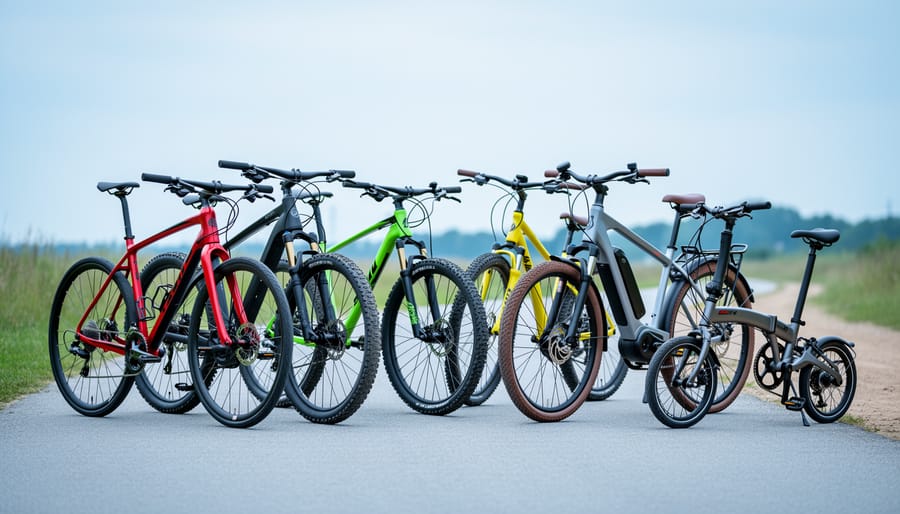
The right bike depends on where you want to ride and what you want from it. Road bikes suit smooth pavement and long, fast miles.
The right bike depends on where you want to ride and what you want from it. Road bikes suit smooth pavement and long, fast miles.
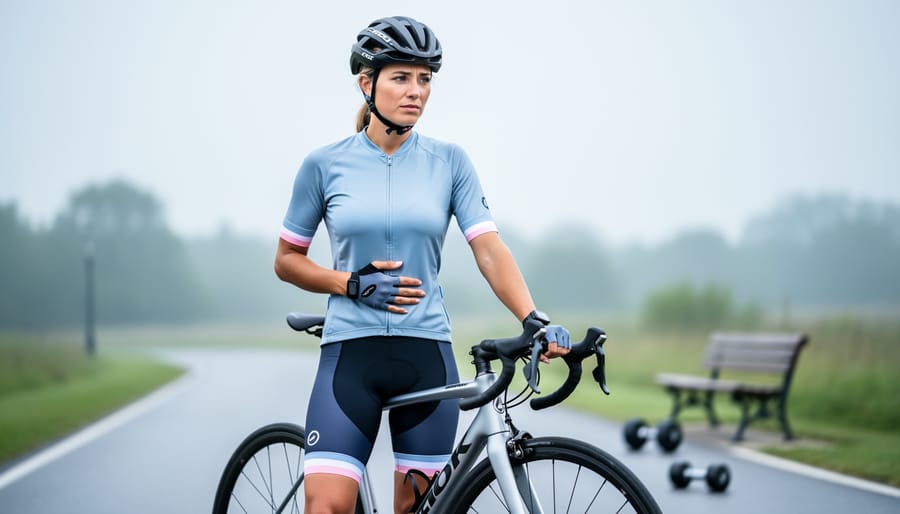
Pack NSAIDs in a jersey pocket or saddle bag, take them with food at a rest stop, and communicate with the group that you might need to ease up on climbs…
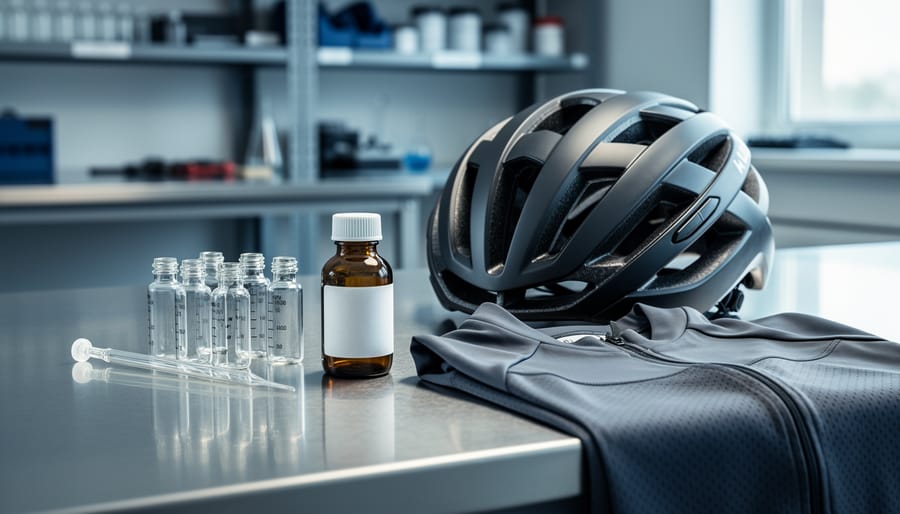
Research peptides are synthetic chains of amino acids sold online for laboratory and experimental use, not for human consumption. If you’ve come across ads for a Kylo Peptides online store or similar vendors while browsing cycling forums or fitness content, you’re not alone. These products have crept into conversations around athletic performance, recovery, and endurance, marketed with vague promises and little regulatory oversight.
Here’s what you need to know: research peptides exist in a legal gray area. They’re not approved by the FDA for personal use, and sellers …
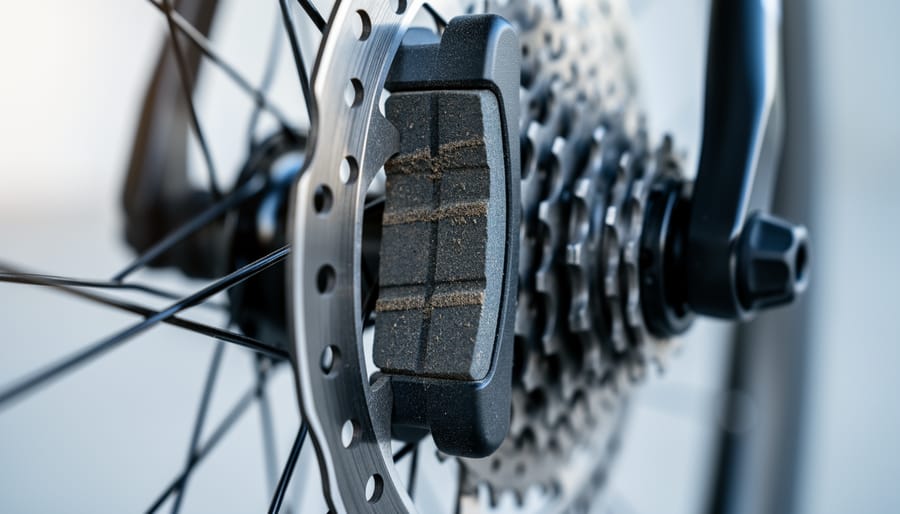
Your brake pads need replacing when the pad material measures 3mm thick or less, or when you notice reduced stopping power, squealing sounds, or visible scoring on the braking surface. Most riders replace their pads every 500 to 2,000 miles, but your personal schedule depends on terrain, weather, and how aggressively you ride.
Key Takeaway: Check your brake pads every month by looking for pad thickness below 3mm, listening for squealing or grinding sounds during braking, feeling for reduced stopping power, and inspecting your rims or rotors for grooves or damage. Any one of these signals means…
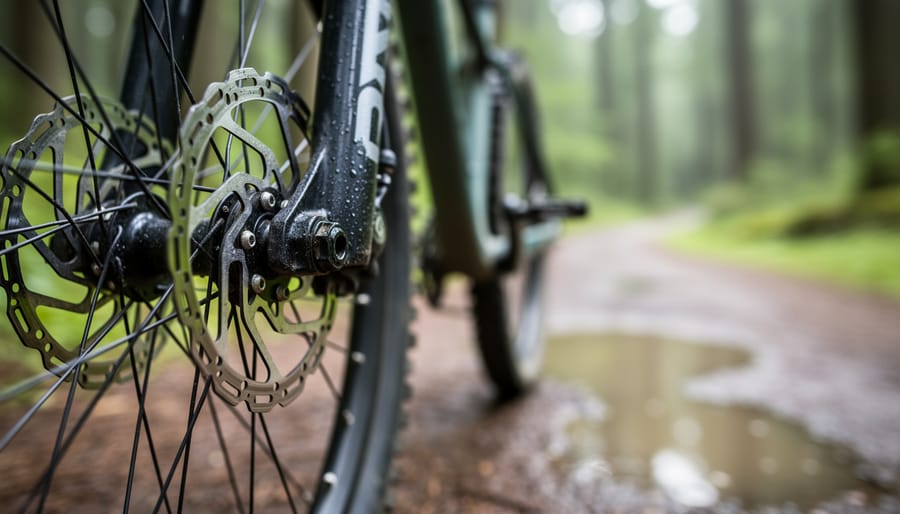
If you’re asking about car brake pads, they typically last between 25,000 and 70,000 miles depending on driving conditions and pad material. But if you’re a cyclist who landed here, bicycle brake pads work very differently and don’t measure lifespan in miles the same way.
Here’s the reality: bike brake pads can last anywhere from 500 to 2,000 miles for rim brakes, and 1,000 to 3,000 miles for disc brakes. But those numbers are just rough estimates. Your actual mileage depends on terrain (mountain descents devour pads faster than flat commutes), weather (wet conditions wear pads more quickly), pad material, …
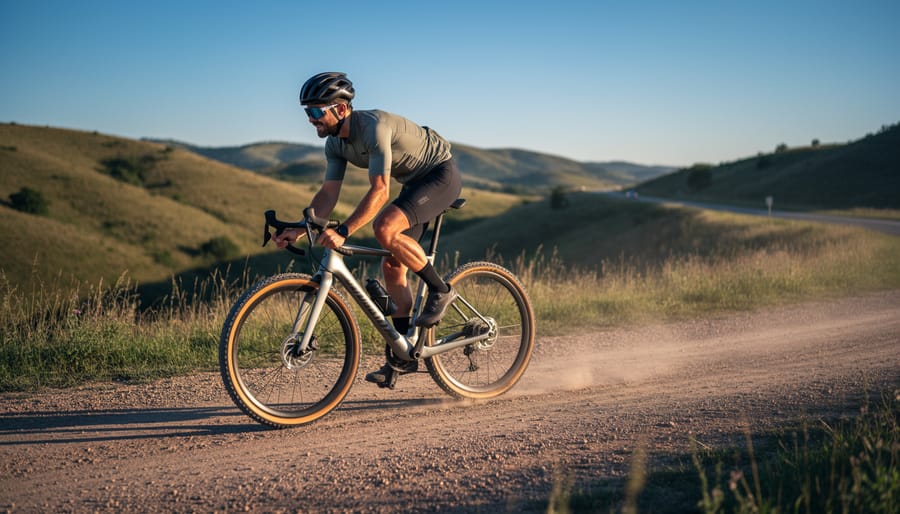
I spent years convincing myself I needed to pick a side. Road cycling or gravel. Fast group rides on smooth pavement or adventurous exploration on dirt roads. The cycling world sometimes feels like it demands allegiance to one tribe or another, but here’s what I’ve learned as this magazine’s deputy editor: the best bike is the one that makes you want to ride.
My journey into gravel cycling wasn’t some dramatic revelation. It started with curiosity about those wider-tired bikes I kept seeing pop up in my feed, followed by a single borrowed bike on a local rail trail. That first ride changed everything. Not …
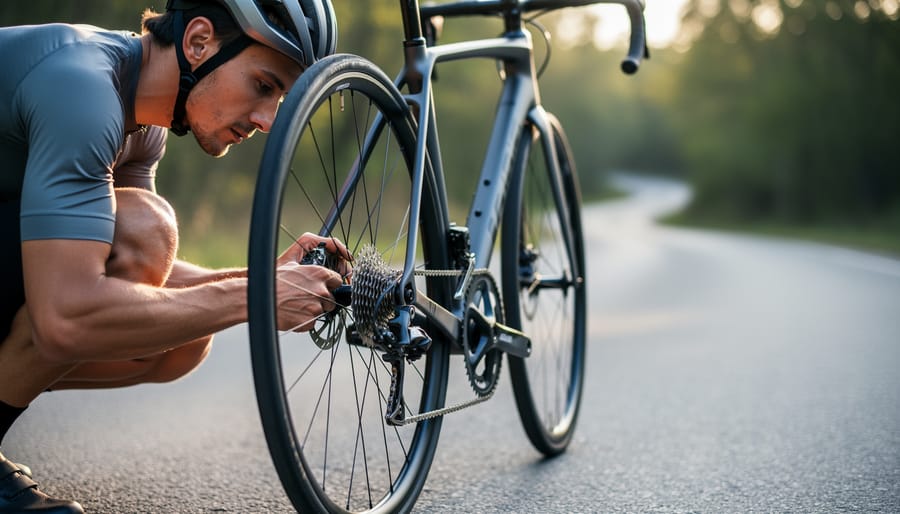
Listen to your bike during every ride—that subtle clicking, rubbing, or squeaking often signals something needs attention before it becomes a roadside emergency. Your bicycle communicates constantly through sounds, sensations, and performance shifts that are easy to miss when you’re focused on the rhythm of pedaling or the scenery ahead.
Pay attention when your gears hesitate or skip unexpectedly, especially on climbs you normally handle smoothly. This grinding or slipping feeling means your drivetrain needs adjustment or cleaning, and ignoring it can lead to more expensive repairs or a chain that snaps mid-ride.
…
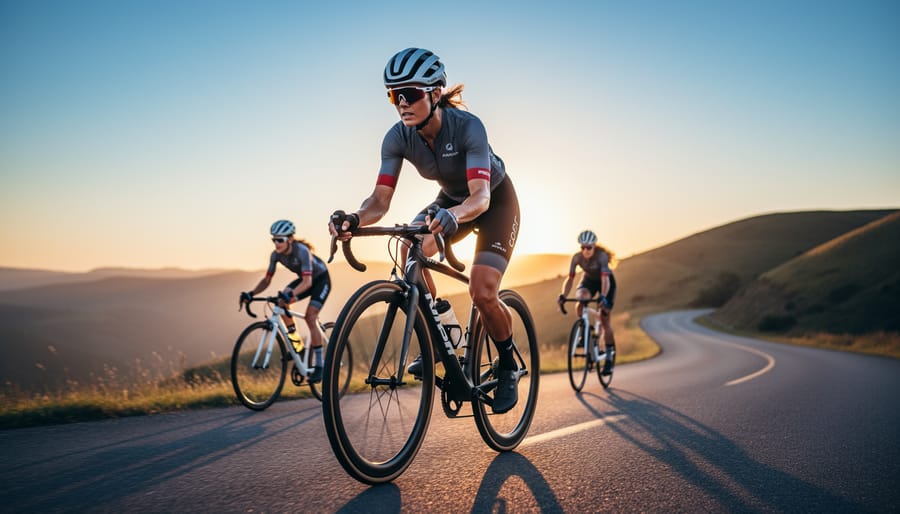
Every time you swing your leg over the saddle, you’re making a choice that extends far beyond transportation or exercise. You’re claiming space on the road, building physical strength that translates into mental resilience, and joining a movement of women who refuse to be sidelined. Empowered cycling transforms the simple act of pedaling into a profound journey of self-discovery and personal growth.
The transformation happens in moments both small and monumental. It’s the first time you navigate a challenging route without doubt creeping in. It’s the realization that your body is capable of carrying you …