
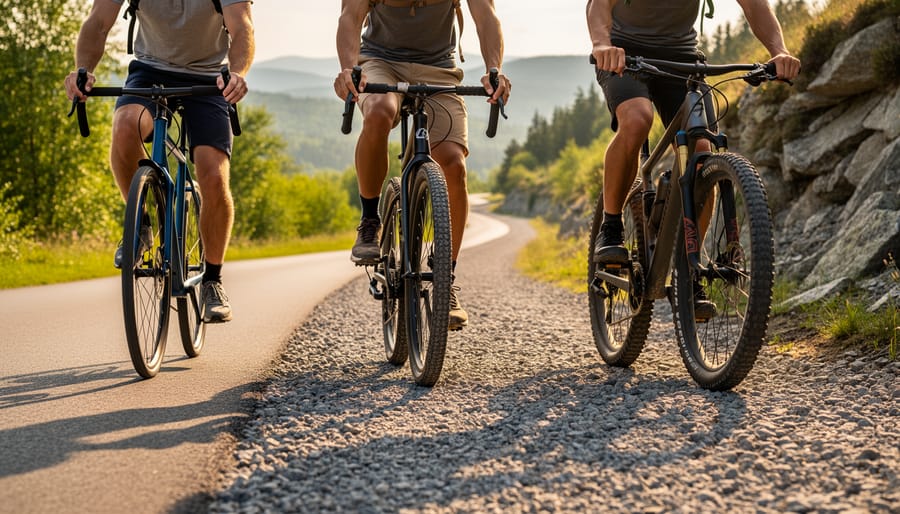
Biking is the practice of riding a bicycle for transportation, recreation, fitness, or sport, and it encompasses a wide range of styles and disciplines, each suited to different terrains, goals, and riding experiences. From smooth city streets to rugged mountain trails, the type of biking you choose shapes everything: the bike you ride, the gear you need, and the community you’ll find yourself pedaling alongside.
Understanding the different kinds of biking matters because choosing the right discipline can transform your relationship with cycling. Maybe you’re drawn to the meditative rhythm of a long road ride, the adrenaline of flying down a rocky descent, or the practical joy of replacing your car commute with two wheels. Each style offers distinct benefits, whether that’s building cardiovascular fitness, exploring new trails, connecting with your neighborhood differently, or simply finding a form of movement that feels more like play than exercise.
This guide breaks down the main cycling disciplines you’ll encounter in 2026, explaining what makes each one unique and helping you identify which styles might be calling your name. You don’t need to commit to just one. Many cyclists mix disciplines based on mood, season, or what their lives demand at any given moment. The beauty of biking is its flexibility.
Whether you’re just starting to explore what cycling can offer or you’re a seasoned rider curious about branching into something new, knowing your options opens doors. Some styles require specific bikes and gear, while others are surprisingly accessible with whatever you already own. What follows is a judgment-free tour through the cycling landscape, designed to help you find your perfect match or matches.
What ‘Kinds of Biking’ Really Means
When you hear “kinds of biking,” it’s referring to the different cycling disciplines that exist, and there are quite a few. Each discipline is essentially a different way to ride, shaped by where you’re riding, what you’re riding on, and what you’re hoping to get from the experience. Think of them as flavours of cycling rather than strict rules.
- Cycling discipline
- A specific style or category of riding that has its own typical terrain, techniques, and culture. Examples include road cycling, mountain biking, and commuting.
- Riding style
- The approach and technique you use while cycling, influenced by your goals and the type of bike you’re on. Your riding style might emphasize speed, technical skill, or relaxed exploration.
- Bike category
- The type of bicycle designed for a particular discipline, featuring geometry, components, and features suited to specific terrain and purposes.
These categories aren’t walls between cyclists. Many women ride multiple styles depending on the day, season, or mood. You might commute during the week and hit trails on weekends. The beauty is that cycling adapts to fit your life, not the other way around. Understanding the different kinds simply helps you recognize what options exist and which ones speak to what you want from your time on two wheels.
How Different Cycling Styles Work
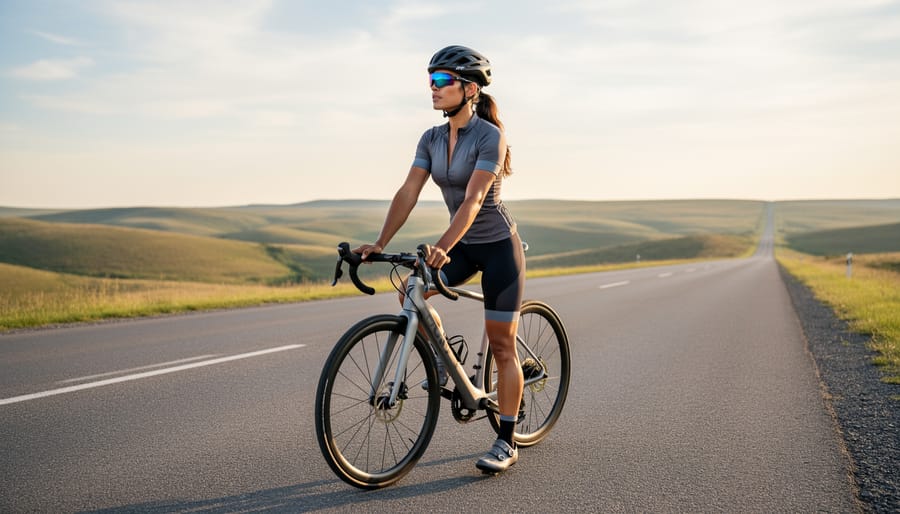
What separates a road cyclist pedaling through rolling countryside from a mountain biker navigating rocky singletrack isn’t just the scenery, it’s everything about how the bike is built and how you use it. Each cycling style emerges from a specific set of demands: where you ride, what you want from the experience, and how your body moves to meet those challenges.
Terrain shapes every other factor. Smooth pavement allows for narrow tires pumped to high pressure, minimal tread, and geometry that keeps you aerodynamic and efficient over long distances. Rough trails demand wider tires with aggressive grip, suspension to absorb impacts, and a more upright position for control when the ground turns unpredictable. Gravel falls somewhere between, mixing surfaces within a single ride and requiring bikes versatile enough to handle both.
Bike geometry, the angles and lengths of the frame, dictates your riding position and handling. A road bike stretches you forward for speed, while a mountain bike keeps you centered over the wheels for stability on descents. Gear ratios follow suit: road bikes offer tall gears for maintaining pace on flat ground, mountain bikes provide low gearing to power up steep climbs, and commuter bikes balance the two for varied urban terrain.
Speed and purpose complete the picture. Road cycling prioritizes sustained effort and cardiovascular endurance. Mountain biking builds explosive power and agility as you navigate obstacles. Commuting focuses on reliability and practicality over performance metrics. Each style trains your body differently because the bike responds differently to the world beneath it, and that’s exactly why trying multiple styles keeps cycling fresh and rewarding.
The Main Types of Cycling
Road Cycling
Road cycling is all about covering distance on smooth pavement, where speed and efficiency matter. You’ll ride on lightweight bikes with narrow tires, drop handlebars that let you tuck into an aerodynamic position, and multiple gears for tackling hills and accelerating on flats. The frame geometry positions you forward and low, designed to cut through wind resistance rather than absorb rough terrain.
What draws many women to road cycling is the satisfying rhythm of a long ride, there’s something meditative about maintaining a steady cadence for twenty, fifty, or even a hundred miles. Your cardiovascular fitness builds quickly, and you’ll notice your legs getting stronger as you conquer climbs that once felt impossible.
The social aspect is huge. Group rides create instant community, whether you’re joining a weekend coffee ride or training with a local cycling club. You’ll learn pack-riding skills, share the workload by rotating at the front, and discover routes you’d never find alone. Road cycling also opens doors to organized events like gran fondos and charity rides, giving you concrete goals to train toward and celebrate.
Mountain Biking
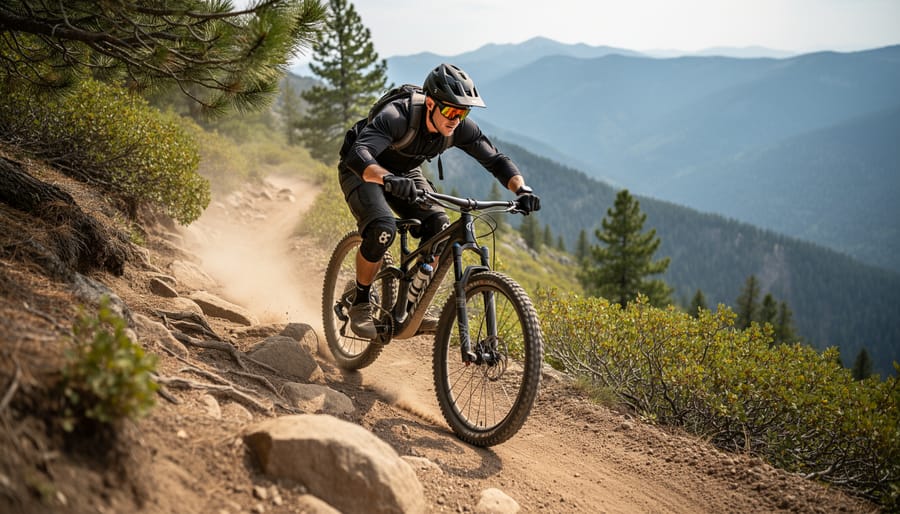
Mountain biking takes you off smooth pavement and onto dirt trails where roots, rocks, and steep descents become part of the ride. This style demands different skills, you’ll learn to read terrain, shift your weight to maintain traction, and navigate obstacles that would stop a road bike cold. Mountain bikes are built for this abuse, with wider, knobby tires that grip loose surfaces and suspension systems that absorb the constant jarring from rough ground.
The suspension is what sets these bikes apart. Front suspension (a shock-absorbing fork) is standard, while full-suspension bikes add rear shock absorption for truly technical trails. This cushioning lets you ride faster over bumpy terrain without getting beaten up, though it adds weight you’ll notice on climbs.
What draws women to mountain biking often isn’t just the physical challenge, it’s the complete focus required. When you’re picking a line through a rock garden, your mind can’t wander to work stress or tomorrow’s to-do list. You’re fully present, building core strength and explosive power as you climb, and developing the kind of bike-handling confidence that makes you better at every other cycling style. Watch for bike warning signs before hitting challenging trails, suspension issues or brake problems that are annoying on pavement become dangerous on a steep descent.
Gravel and Adventure Cycling
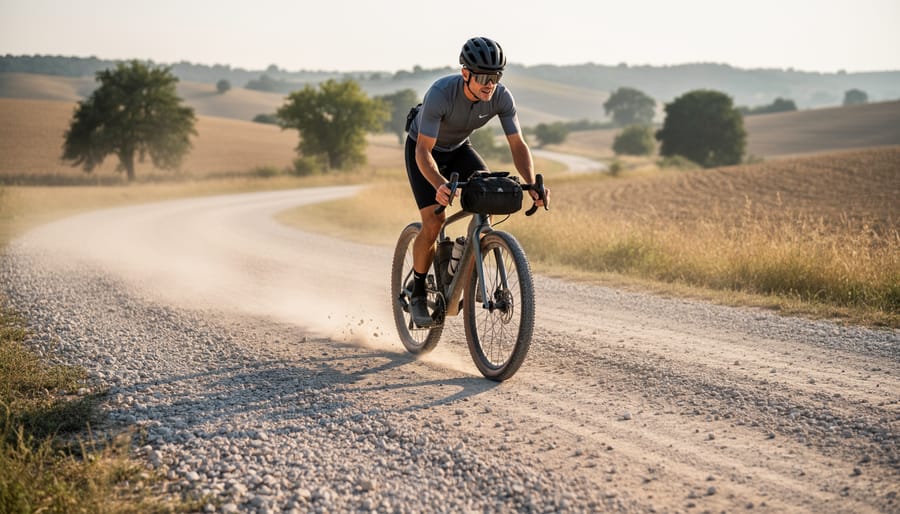
Gravel and adventure cycling has exploded in popularity precisely because it refuses to pick a lane. This discipline thrives on mixed surfaces, think washboard dirt roads, smooth hardpack, chunky gravel, occasional pavement stretches, and everything in between. Your bike becomes a passport to routes road cycling can’t touch and trails mountain biking doesn’t need.
The beauty lies in versatility. Gravel bikes blend features from both worlds: wider tires than road bikes for stability and traction, more relaxed geometry for comfort over rough terrain, and multiple mounting points for racks and bags. You’re not locked into a single type of ride. One weekend might mean a spirited 50-mile loop on county backroads. The next could involve bikepacking, loading your bike with camping gear and disappearing into remote territory for days.
Many women who’ve tried both find themselves choosing gravel over road because it opens up genuine exploration without the technical demands of singletrack mountain biking. You get the meditative rhythm of long rides combined with the thrill of discovering fire roads, abandoned railways, and scenic routes cars can’t reach. It’s cycling that rewards curiosity and self-reliance in equal measure.
Commuter and Urban Cycling
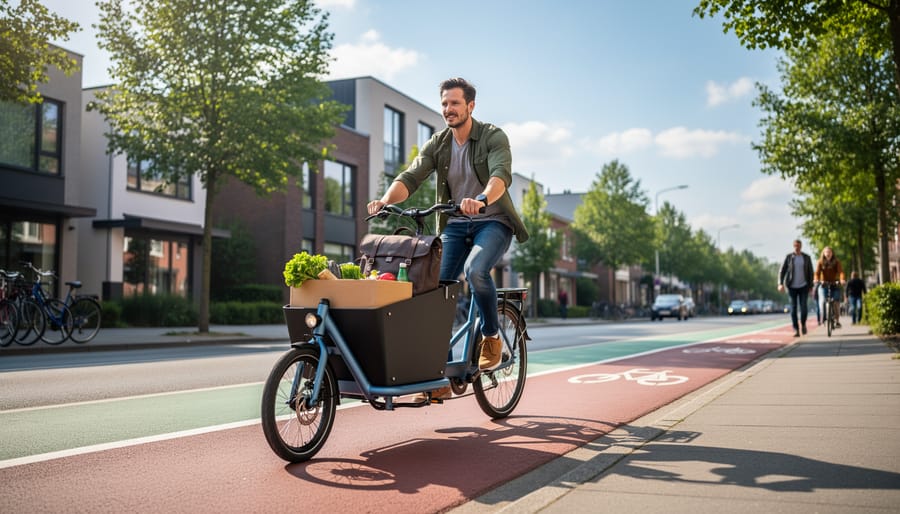
Commuter and urban cycling transforms your daily routine into an opportunity for exercise, fresh air, and independence. Instead of sitting in traffic or waiting for public transit, you’re moving under your own power, arriving at work energized rather than stressed. City riding demands awareness and confidence, you’ll navigate bike lanes, merge with traffic, signal turns, and make quick decisions at intersections. The bikes used for commuting tend to be practical: upright riding positions for visibility, fenders to protect from splashes, racks for carrying bags, and reliable components that handle daily use. Many women choose hybrid bikes, Dutch-style city bikes, or even cargo bikes that can haul groceries, gear, or kids.
Urban cycling becomes second nature once you master the basics: claiming your lane when necessary, making eye contact with drivers, and maintaining your bike so it’s always ready to ride. Regular maintenance like checking tire pressure and keeping your clean brake pads ensures safe, reliable performance. The lifestyle benefits extend beyond fitness, you save money on gas and parking, reduce your environmental impact, and often discover your city in ways you never would from inside a car.
Cyclocross
Cyclocross blends the speed of road racing with the unpredictability of off-road riding, creating one of cycling’s most spectator-friendly and welcoming disciplines. Races typically last 30-60 minutes on short, technical courses featuring pavement, grass, mud, sand, and obstacles that force you to dismount, shoulder your bike, and run before remounting. It’s pure chaos in the best way, bike handling skills matter more than raw power, and courses change dramatically with weather conditions.
What makes cyclocross special for women is its incredibly inclusive race culture. Most events offer beginner categories, and the supportive atmosphere means you’ll get cheered on by competitors waiting for their own races. The fall and winter season fits perfectly when road riding loses its appeal, and you don’t need specialized equipment to start, a gravel or even road bike works fine initially. The constant variation keeps things interesting: no two laps feel the same, and you’re problem-solving the entire time rather than settling into a rhythm.
Track Cycling
Track cycling takes place on purpose-built velodromes, steeply banked oval tracks with smooth surfaces designed for high-speed racing. Riders use fixed-gear bikes with no brakes, relying on leg strength and momentum control to navigate the track’s curves and straightaways.
This discipline encompasses various event formats, from explosive match sprints lasting just seconds to grueling endurance races like the points race and Madison. The keirin, scratch race, and team pursuit each demand different tactical approaches and physical strengths. Track cycling rewards pure power, precise positioning, and split-second decision-making.
While velodrome access might seem limited, many cities now have cycling tracks offering beginner sessions and coaching programs. The controlled environment makes it safer than road racing for learning speed skills, and the structured nature of track events creates clear progression paths. You’ll build explosive leg strength, improve pedaling efficiency, and experience the rush of sustained high speeds in a supportive, strategy-focused setting.
Touring and Bikepacking
Touring and bikepacking transform your bike into a vehicle for adventure, letting you carry everything you need for multi-day journeys and explore at your own pace. Touring typically involves riding with panniers mounted on front and rear racks, following established routes with planned stops for food and lodging. Bikepacking takes a more minimalist approach, using frame bags, handlebar rolls, and seat packs to distribute weight across the bike without racks, perfect for rougher terrain and remote routes where you might camp wild.
Both styles emphasize self-sufficiency and the freedom to cover serious distance while experiencing landscapes intimately. You’ll develop route-planning skills, learn to pack efficiently, and build endurance through consecutive days in the saddle. The bikes range from dedicated touring frames with stable geometry and mounting points, to gravel bikes adapted with bikepacking bags. Whether you’re following the Pacific Coast Highway with nightly hotel stops or disappearing into backcountry trails with a tent, this cycling style rewards preparation and opens up transformative travel experiences that cars simply can’t match.
BMX and Freestyle
BMX and freestyle cycling represent the most creative and playful side of biking, where the focus shifts from distance or speed to mastering tricks, jumps, and technical maneuvers. Originating in BMX racing on dirt tracks, the discipline evolved to include freestyle riding in skateparks, on street obstacles, and in specially designed courses. Riders use small, sturdy bikes with 20-inch wheels built to withstand the impact of jumps, spins, and grinds.
This style emphasizes skill development and self-expression rather than traditional fitness metrics. Women who explore BMX and freestyle discover tremendous body control, spatial awareness, and confidence as they learn to navigate ramps, execute aerial tricks, and flow through obstacles. The progression is tangible and rewarding, you can see and feel each new skill you master, whether that’s a bunny hop, a manual, or more advanced aerial maneuvers. While often associated with younger riders, BMX and freestyle welcome anyone drawn to the challenge of technical mastery and the joy of playful, creative movement on two wheels.
Indoor and Spin Cycling
Indoor and spin cycling brings cycling’s cardiovascular benefits inside, removing weather, traffic, and terrain from the equation. You ride a stationary bike, either at home or in a studio class, focusing purely on effort, resistance, and heart rate without worrying about navigation or road conditions.
Spin classes offer structured workouts led by instructors who guide you through intervals, climbs, and sprints set to music. The social energy and accountability keep many women motivated when outdoor rides aren’t feasible. Home setups with smart trainers or platforms like Zwift simulate outdoor routes and let you train on your schedule, perfect for early mornings or late evenings.
This style excels for targeted fitness goals: building leg strength, improving cadence, or maintaining conditioning during injury recovery. You control every variable, resistance, duration, intensity, making it ideal for specific training blocks or simply getting a reliable workout when life gets busy.
How These Cycling Styles Are Used in Real Life
The beauty of understanding different cycling styles is that you don’t have to pick just one, most women weave several into their routines depending on the day, season, or what they need. Your bike can be a commuter on weekdays, a fitness tool on weekends, and an adventure vehicle whenever the mood strikes.
Here’s how women commonly use these cycling styles in everyday life:
- Daily commuting to work or errands, saving money and starting the day energized
- Weekend fitness rides for structured training and cardiovascular health
- Social group rides that build friendships and cycling confidence
- Competitive racing for those seeking challenges and measurable goals
- Touring adventures to explore new places at a slower, more immersive pace
- Cross-training for runners, triathletes, or other athletes seeking low-impact conditioning
- Mental wellness practice, using solo rides as moving meditation
Many cyclists blend styles fluidly. You might road-ride for speed work Tuesday, mountain bike with friends Saturday, and commute Monday through Friday. Some women discover gravel riding as the perfect middle ground between road and trail, while others choose cycling shorts suited for long touring adventures that stretch over weeks.
The key is matching the style to your current need. Feeling stressed? A mountain bike trail demands focus that clears your mind. Want connection? Join a local group ride. Need transport? Your commuter setup gets you there. Racing appeals when you crave structure and benchmarks, while bikepacking satisfies wanderlust. You’re not locked into one identity, you’re a cyclist who uses different styles as tools for different parts of your life.
The Benefits Each Cycling Style Offers
Road cycling delivers exceptional cardiovascular fitness because sustained pedaling at steady effort strengthens your heart and improves oxygen delivery throughout your body. Long rides on pavement build remarkable endurance, and the consistent cadence develops efficient leg muscle patterns that translate to everyday stamina.
Mountain biking works different muscle groups entirely. Technical trails demand explosive power for climbs, core strength for balance over rocks and roots, and split-second coordination as you navigate obstacles. Your entire body engages, building functional strength you can feel in daily life. The mental benefits run deep too, concentrating on trail features forces present-moment awareness that quiets mental chatter and reduces anxiety.
Gravel cycling combines the cardiovascular gains of road riding with the confidence-building challenges of varied terrain. You develop bike-handling skills while exploring remote areas that feed your sense of adventure and independence.
Commuter cycling offers practical rewards beyond fitness. Women who bike to work report lower stress levels, money saved on fuel and parking, and genuine satisfaction from reducing their environmental impact. That morning ride becomes valuable mental transition time between home and work responsibilities.
Track cycling builds raw power and speed through interval-style efforts, while touring strengthens both physical resilience and problem-solving skills as you navigate multi-day journeys. Every cycling style delivers measurable health improvements, the best choice is whichever keeps you riding consistently.
Common Questions About Kinds of Biking
You don’t need to have all the answers figured out before you start exploring different cycling styles. Most women who ride regularly have similar questions when they’re first discovering the range of options available, and the good news is that cycling is far more flexible and accessible than you might think.
Do I need a different bike for each style?
Not necessarily. Many bikes are versatile enough to handle multiple styles, a gravel bike works for light trails and road rides, while a hybrid handles commuting and easy paths. You can explore different styles with one bike and upgrade later if you find a passion worth investing in.
Can I try multiple types of cycling?
Absolutely, and most cyclists do. You might commute during the week, hit trails on Saturday, and join a road ride on Sunday. Mixing styles keeps cycling fresh and develops different skills and fitness.
Which style is best for beginners?
Commuter or recreational road cycling offer the gentlest entry points since they use familiar paved surfaces and don’t require technical skills. That said, if mountain biking or gravel riding excites you more, start there, motivation matters more than difficulty.
How do I know which style suits me?
Consider what you want from cycling: speed and fitness point toward road cycling, adventure and exploration suggest gravel or touring, while stress relief and nature connection often lead to mountain biking. Try what’s available locally and see what makes you eager to ride again.
The best approach is to start with what’s accessible and appealing to you right now, whether that’s the bike you already own or a local group ride that welcomes newcomers. Your cycling identity isn’t something you choose once and stick with forever, it evolves as you discover what brings you joy, challenges you in satisfying ways, and fits into your life.