
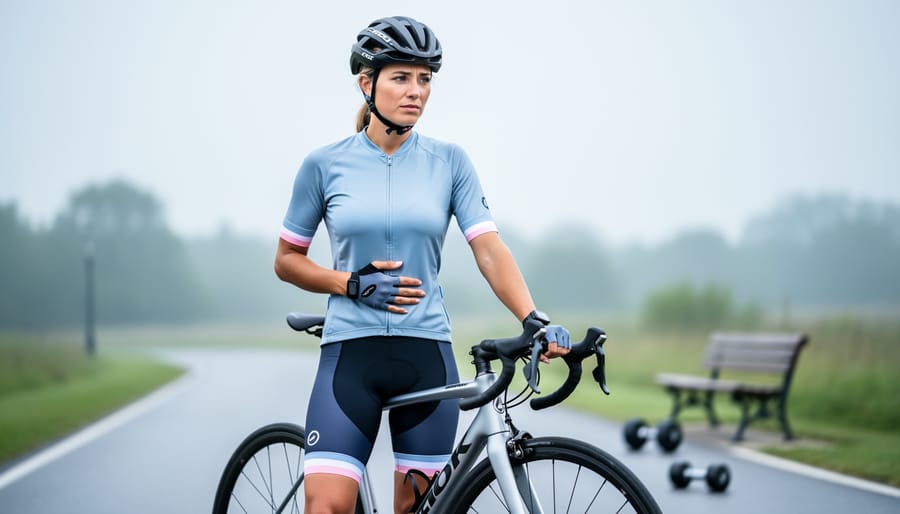
Pack NSAIDs in a jersey pocket or saddle bag, take them with food at a rest stop, and communicate with the group that you might need to ease up on climbs…
Pack NSAIDs in a jersey pocket or saddle bag, take them with food at a rest stop, and communicate with the group that you might need to ease up on climbs…
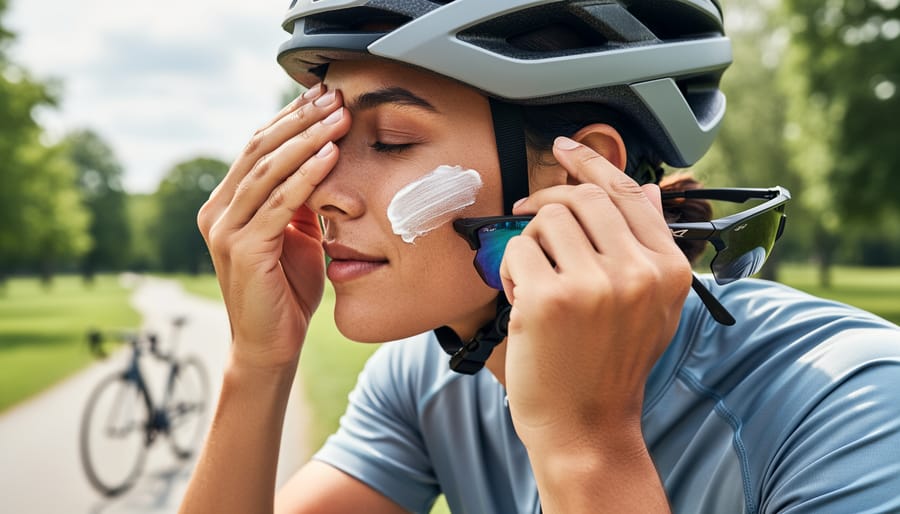
Protecting your skin during outdoor cycling takes three simple steps: prep with a sweat-resistant broad-spectrum SPF 50 sunscreen and barrier cream, reapply every 90 minutes of ride time, and cleanse gently within 30 minutes of finishing. This routine takes less than five minutes before you roll out and keeps your skin healthy through hours of sun exposure, wind exposure, and perspiration.
Your face and exposed skin face a triple threat on the bike. UV rays intensify as you climb in elevation and reflect off pavement. Wind at 15-20 mph strips away your skin’s protective moisture barrier faster than you’d experience on a …
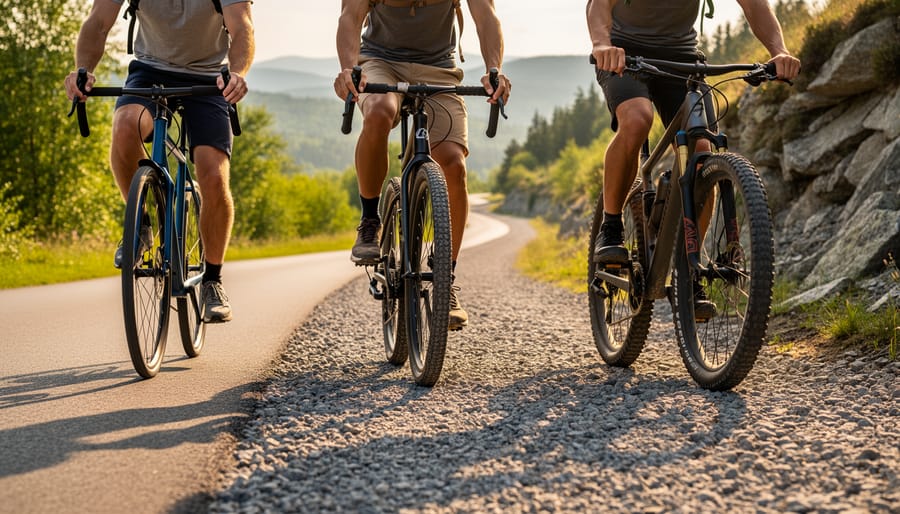
Not necessarily. Many bikes are versatile enough to handle multiple styles, a gravel bike works for light trails and road rides, while a hybrid handles…
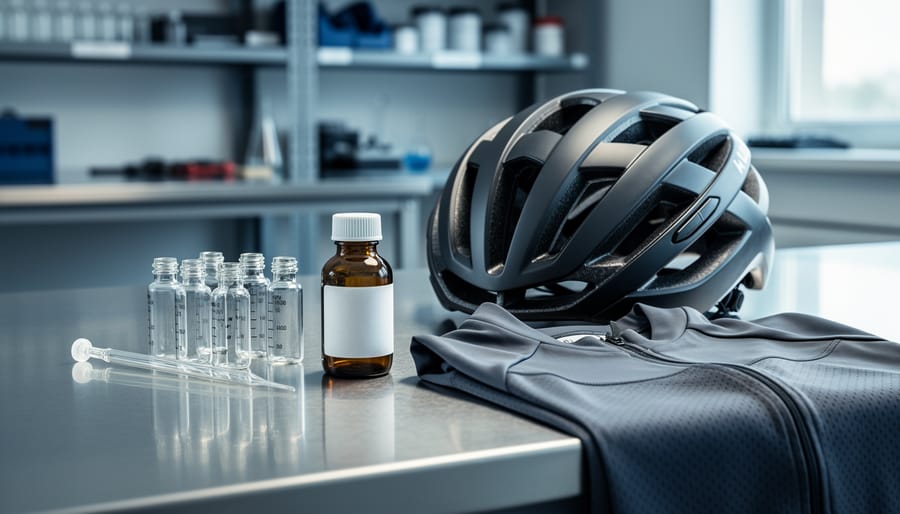
Research peptides are synthetic chains of amino acids sold online for laboratory and experimental use, not for human consumption. If you’ve come across ads for a Kylo Peptides online store or similar vendors while browsing cycling forums or fitness content, you’re not alone. These products have crept into conversations around athletic performance, recovery, and endurance, marketed with vague promises and little regulatory oversight.
Here’s what you need to know: research peptides exist in a legal gray area. They’re not approved by the FDA for personal use, and sellers …
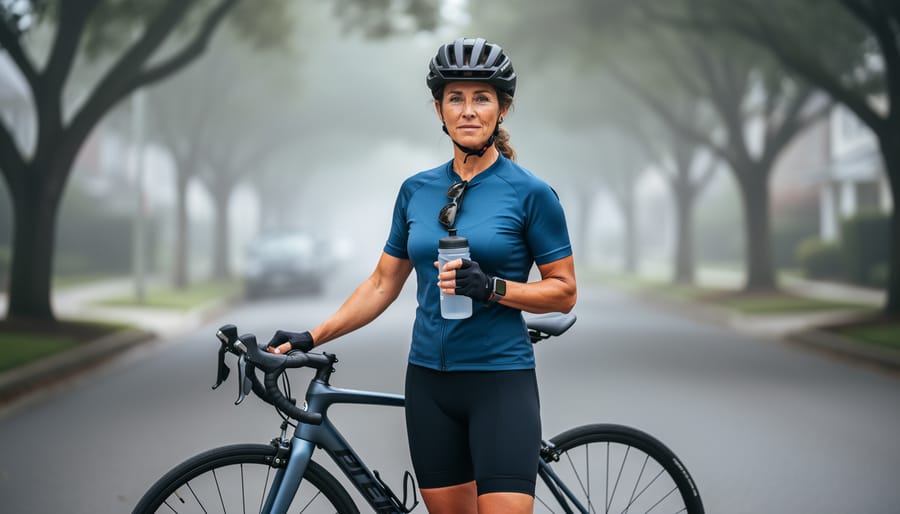
The key difference is timing: perimenopause is the transition phase when your hormones begin to fluctuate and periods become irregular, while menopause is the specific point when you’ve gone 12 consecutive months without a period. Understanding which stage you’re in matters because the symptoms, intensity, and duration vary dramatically, and for those of us who ride, these hormonal shifts can affect everything from recovery time to heat tolerance on the bike.
If you’re between 40 and 50 and noticing changes in your cycle, you’re likely in perimenopause, a phase that can last up to 10 years. Your estrogen …
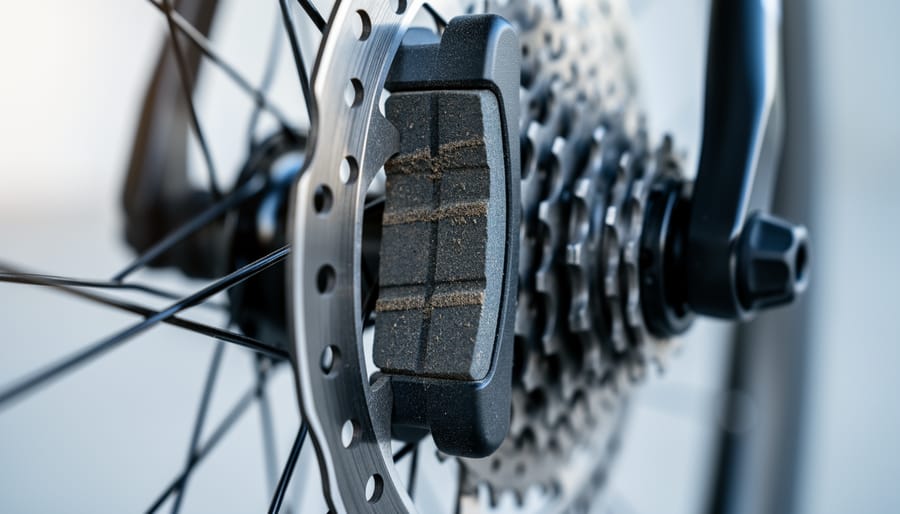
Your brake pads need replacing when the pad material measures 3mm thick or less, or when you notice reduced stopping power, squealing sounds, or visible scoring on the braking surface. Most riders replace their pads every 500 to 2,000 miles, but your personal schedule depends on terrain, weather, and how aggressively you ride.
Key Takeaway: Check your brake pads every month by looking for pad thickness below 3mm, listening for squealing or grinding sounds during braking, feeling for reduced stopping power, and inspecting your rims or rotors for grooves or damage. Any one of these signals means…
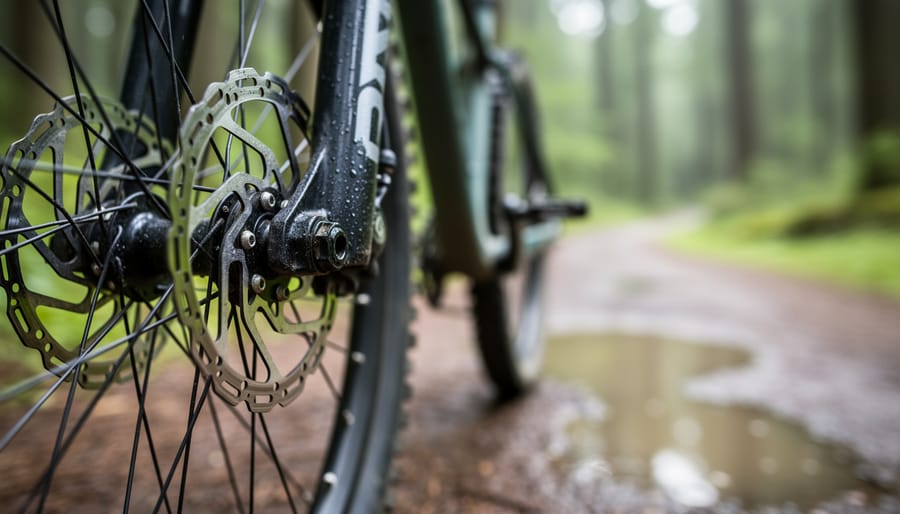
If you’re asking about car brake pads, they typically last between 25,000 and 70,000 miles depending on driving conditions and pad material. But if you’re a cyclist who landed here, bicycle brake pads work very differently and don’t measure lifespan in miles the same way.
Here’s the reality: bike brake pads can last anywhere from 500 to 2,000 miles for rim brakes, and 1,000 to 3,000 miles for disc brakes. But those numbers are just rough estimates. Your actual mileage depends on terrain (mountain descents devour pads faster than flat commutes), weather (wet conditions wear pads more quickly), pad material, …
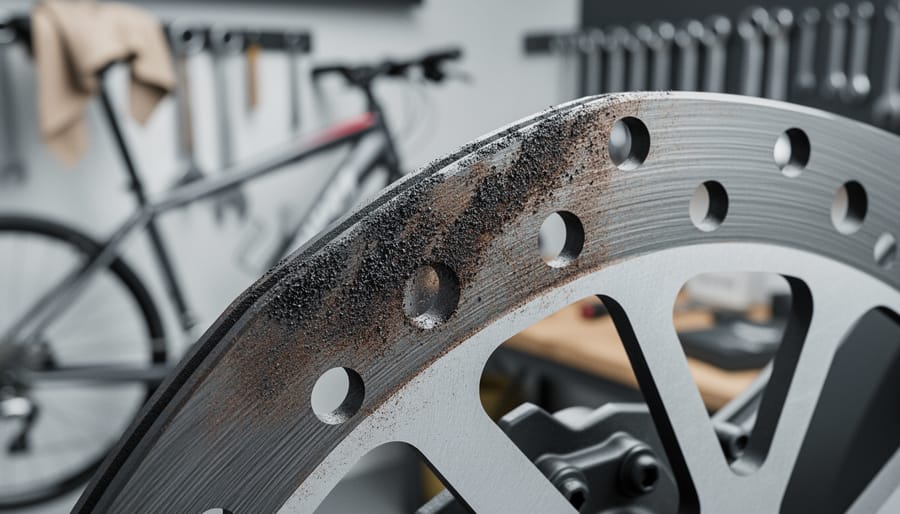
Cleaning your bike’s brake pads removes oil, dirt, and other contaminants that reduce stopping power, and in most cases, you can restore full braking performance in about 15 minutes using isopropyl alcohol and sandpaper. Contaminated brake pads are one of the most common causes of reduced braking performance, whether you ride on road, gravel, or trails, and the fix is surprisingly straightforward.
You’ll know it’s time to clean your pads when you notice your brakes feeling …
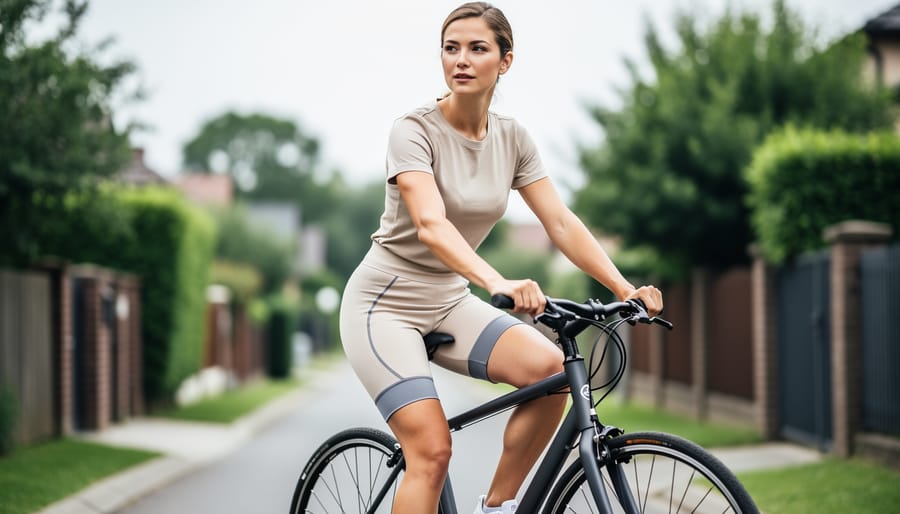
Cotton cycling shorts can work beautifully for casual rides, errands, and shorter distances, but they’re rarely the right choice for serious training or long-distance cycling. If you’re looking for breathable comfort on neighborhood rides, value natural fibers for sensitive skin, or simply prefer the feel of cotton over synthetic fabrics, several well-designed options exist in 2026 that balance comfort with reasonable performance.
The truth most articles won’t tell you upfront: pure cotton holds moisture, takes forever to dry, and can cause chafing on rides longer than an hour. But cotton-blend cycling shorts, …
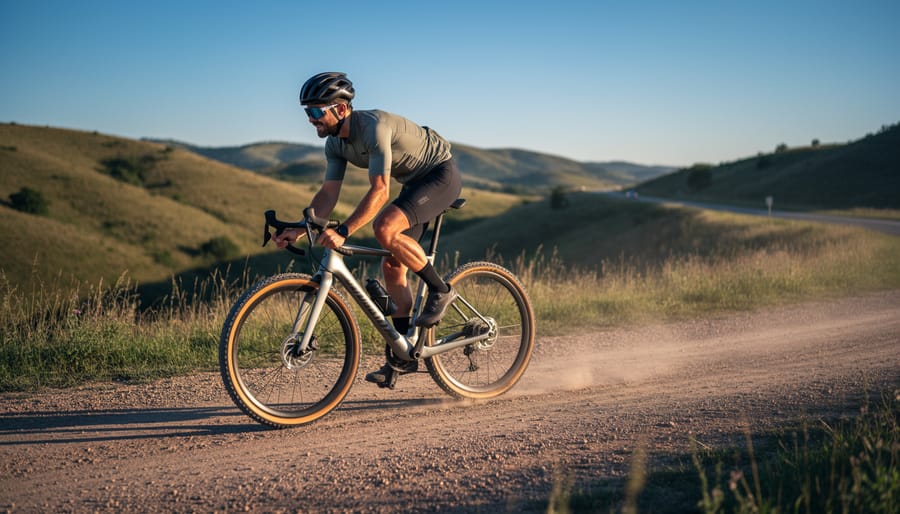
I spent years convincing myself I needed to pick a side. Road cycling or gravel. Fast group rides on smooth pavement or adventurous exploration on dirt roads. The cycling world sometimes feels like it demands allegiance to one tribe or another, but here’s what I’ve learned as this magazine’s deputy editor: the best bike is the one that makes you want to ride.
My journey into gravel cycling wasn’t some dramatic revelation. It started with curiosity about those wider-tired bikes I kept seeing pop up in my feed, followed by a single borrowed bike on a local rail trail. That first ride changed everything. Not …