
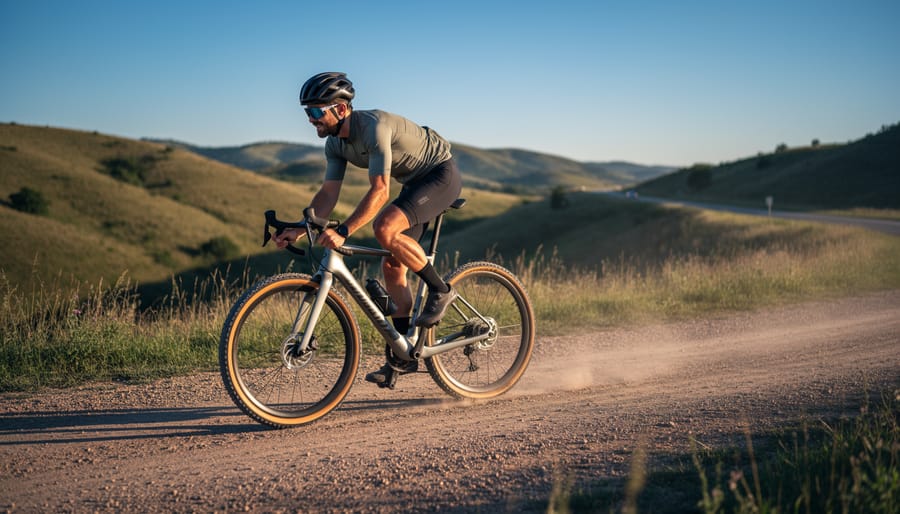
I spent years convincing myself I needed to pick a side. Road cycling or gravel. Fast group rides on smooth pavement or adventurous exploration on dirt roads. The cycling world sometimes feels like it demands allegiance to one tribe or another, but here’s what I’ve learned as this magazine’s deputy editor: the best bike is the one that makes you want to ride.
My journey into gravel cycling wasn’t some dramatic revelation. It started with curiosity about those wider-tired bikes I kept seeing pop up in my feed, followed by a single borrowed bike on a local rail trail. That first ride changed everything. Not because gravel was objectively better than road cycling, but because it opened up routes I’d never considered and introduced me to riders who cared more about conversation than watts per kilogram.
This shift matters because so many of us get stuck believing we need to commit to one cycling identity. We think choosing gravel means abandoning road rides, or vice versa. But your cycling life doesn’t need to fit into neat categories.
What I want to share isn’t just my personal preference. It’s a framework for thinking about what kind of riding serves you best right now. Because the cycling that fits your life at twenty-five looks different at forty. The routes that excite you in summer might not work in winter. Your body, schedule, and what brings you joy will evolve.
Let’s explore how gravel cycling found me, why it stuck, and how you can figure out your own path forward.
Meet Sarah: From Road Racing to Gravel Adventures
Sarah never imagined she’d be the person defending gravel cycling. For years, she lived and breathed road racing. Weekend crits, century rides with her local club, and training plans that left little room for spontaneity. She loved the speed, the smooth pavement, the predictable rhythm of pack riding on familiar routes.
Then came the burnout.
“I stopped enjoying cycling,” she admits. “Everything felt like a performance. I’d skip rides because I didn’t have the energy for another hard effort, another segment to chase.” The sport she loved had become a source of stress rather than joy.
A friend’s casual invitation changed everything. Just a Saturday morning gravel ride, nothing serious. Sarah borrowed a bike, showed up in her road kit (over-dressed and slightly self-conscious), and spent three hours on dirt roads she didn’t know existed twenty minutes from her house.
“I was slower than everyone,” she laughs. “My handling was terrible. But I couldn’t stop smiling.”
That single ride cracked something open. Sarah started seeking out unpaved routes, at first just once a week as a break from structured training. The gravel community felt different. People stopped at scenic overlooks. They regrouped after climbs. Nobody cared about her average speed or power numbers.
The transition wasn’t instant or absolute. She still appreciates a good road ride. But gravel offered something she’d lost: the permission to simply explore without judgment or performance anxiety. The space to remember why she started cycling in the first place.
“I thought switching disciplines meant admitting I couldn’t hack it anymore,” Sarah says. “Now I realize it meant choosing what actually makes me happy.” That mindset shift informs everything she brings to her editorial work, creating content that celebrates every rider’s unique path rather than prescribing a single right way to love cycling.
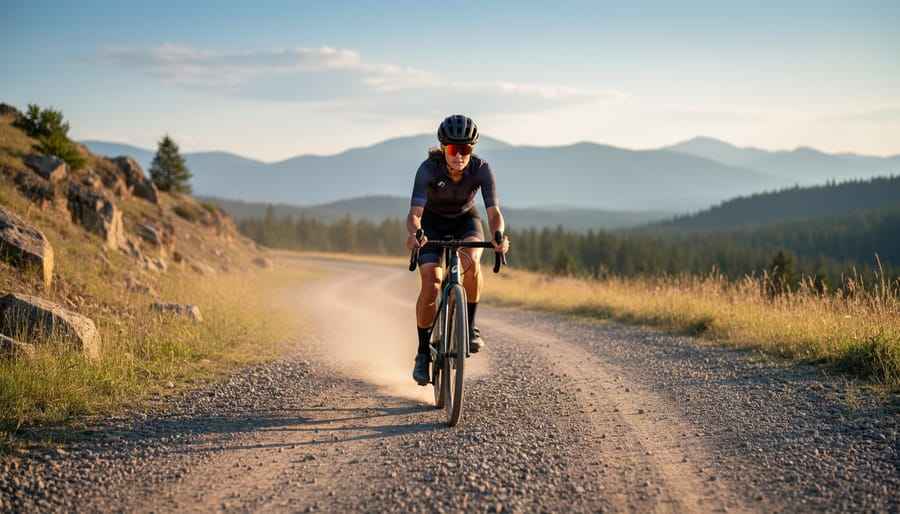
The Freedom Factor: Why Gravel Won Her Heart
The Community Difference
The shift from road to gravel wasn’t just about changing surfaces. It was about finding a completely different kind of cycling family. Road cycling has its devoted following, but I’d often felt the weight of unspoken rules and hierarchies. Show up to a group ride with the wrong kit or slightly slower pace, and you’d feel it.
Gravel changed everything for me. The first event I attended, I watched riders stop mid-race to help someone fix a mechanical. Not just quick advice shouted while passing, but actual hands-on help. People celebrated crossing the finish line regardless of their time, and conversations at the start weren’t about watts or power meters but about the views we’d see and snacks we’d packed.
Gravel cycling’s welcoming culture has genuinely transformed the sport, particularly for women who might have felt shut out of traditional road racing circles. There’s less posturing about equipment and more genuine curiosity about where everyone’s ridden. I’ve made more friends at gravel events in two years than I did in a decade of road riding.
The beauty is that gravel doesn’t demand you prove yourself worthy before you belong. You just show up, ride your ride, and you’re part of it. Maybe it’s because we’re all getting dirty and struggling through the same rough patches together. Whatever the reason, this sense of collective adventure rather than individual competition keeps me coming back.
Physical and Mental Health Wins
The shift to gravel riding brought changes I could actually feel in my body and mind. Within weeks, my chronic anxiety started to ease. There’s something about navigating unpredictable terrain that demands total presence. You can’t worry about tomorrow’s deadline when you’re reading the trail three feet ahead. Studies back this up too, showing that cycling is linked to reduced anxiety and depression and I became living proof.
My core strength improved dramatically. Road cycling keeps you in one position, but gravel constantly shifts beneath you. Climbing over roots, steadying through loose corners, absorbing rocky descents. My entire body had to engage differently.
The biggest win? Spontaneity replaced rigidity. I stopped obsessing over power metrics and started actually enjoying rides again. I’d leave work, hit the trails for an hour, and return genuinely refreshed instead of mentally calculating training stress scores. Paying attention to my bike’s warning signs became more intuitive too, since gravel riding teaches you to listen to your equipment and your body in real time.
Her Go-To Rides and What They Teach Us
Our deputy editor keeps three rides in steady rotation, and each one offers something different for the rest of us to learn from.
Her weekday morning gravel loop runs about 25 miles through rolling farmland just outside the city limits. She treats this as her foundation ride, the one that builds endurance without wrecking her workday energy. The beauty here? It’s not about speed. She keeps her pace conversational (even when riding solo) because this route teaches patience and consistency. For newer riders, this translates perfectly: find a route you can repeat regularly, one that feels challenging but doesn’t leave you depleted. Consistency beats heroics every single time.
Weekend exploration rides are where things get interesting. She’ll head out with a loose destination in mind but no strict route planned, often linking together forest service roads and lesser-known trails. These adventures typically stretch to 40 or 50 miles, and she’s learned to pack extra snacks and tools because gravel has a way of throwing surprises at you. Paying attention to warning signs from your bike becomes second nature on these longer outings. The lesson? Give yourself permission to explore without pressure. Getting slightly lost (with a charged phone and good map) builds confidence faster than perfectly executed routes ever will.
Her third staple is the social group ride that meets every other Saturday. It’s a mixed-ability crew that averages 30 miles at a relaxed pace with coffee stops. She swears this ride keeps her grounded and reminds her why she fell in love with cycling in the first place. The takeaway for all of us: community rides aren’t just for beginners. Even experienced riders need that mix of conversation, laughter, and shared suffering on the climbs. Finding your people makes every other ride better.
The Gear That Makes It Possible
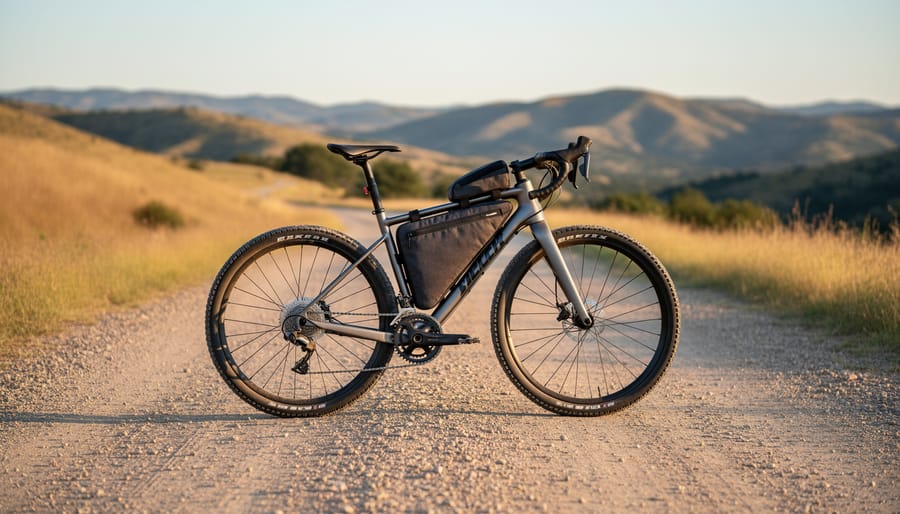
My current daily rider is a steel-framed gravel bike that I bought secondhand three years ago. It wasn’t love at first sight, honestly. I’d been riding an aluminum road bike for years, and the idea of switching felt unnecessary until a friend convinced me to try her gravel setup on a mixed-surface route. That single ride changed everything.
The differences between my two setups might seem subtle on paper, but they’ve completely transformed how I approach cycling:
| Component | Road Bike Setup | Gravel Bike Setup | Why It Matters |
|---|---|---|---|
| Tires | 25mm slicks | 38mm knobby tires | Confidence on loose surfaces, comfort on rough pavement |
| Gearing | Standard compact (50/34) | Subcompact (46/30) | Makes steep, loose climbs manageable without walking |
| Handlebars | Narrow drop bars | Flared drop bars | Better control on descents, more hand positions for long rides |
I didn’t upgrade everything at once. The bike came with decent components, and I learned bike maintenance basics to keep it running smoothly rather than throwing money at problems.
My must-have gear list is pretty short. Good gloves matter more than I expected, especially on longer gravel rides where vibration becomes a real issue. I invested in a handlebar bag after stuffing snacks in my jersey pockets became ridiculous. And bright lights, always, because my favorite routes often finish at dusk.
The gear choices that seemed important when I started? They really weren’t. I don’t need carbon anything or the latest tech. What matters is a bike that fits well, tires appropriate for where you actually ride, and enough gears to get you up the hills you’ll encounter. Everything else you can figure out as you go.
What This Means for Your Cycling Journey
So you’re reading this and wondering: could gravel be for me? Here’s the truth. You don’t need to be an off-road expert or own fancy equipment to give it a try. If you’ve ever felt constrained by staying on pavement, or if you’re curious about those dirt roads and paths you pass on your usual routes, that’s reason enough to explore.
Start simple. Maybe your next weekend ride includes a well-maintained rail trail or a packed gravel path through a local park. See how it feels. You might discover that the slower pace and varied terrain make cycling feel fresh again, especially if road riding has started feeling repetitive. Or you might confirm that smooth pavement is truly your happy place. Both outcomes are valuable.
The beautiful thing about trying different cycling disciplines is that each one teaches you something new about your bike and your body. Gravel riding builds bike handling skills that make you more confident everywhere. Those technical descents and loose corners? They translate to better control on wet roads and sharper reflexes in group rides. You’ll notice things about your position, your gearing, and how your bike responds before your next ride that you might have missed sticking to one surface.
If you’re hesitant about going alone, look for beginner-friendly gravel events or group rides in your area. The gravel community tends to be exceptionally welcoming to newcomers. There’s less emphasis on speed and more on shared adventure.
And here’s something worth remembering: choosing gravel doesn’t mean abandoning road cycling. Many cyclists move fluidly between disciplines based on mood, weather, or what sounds fun that day. Your cycling journey doesn’t have to follow a single path. Maybe you’ll become a gravel devotee, or maybe you’ll appreciate having options. The point is giving yourself permission to experiment and find what genuinely brings you joy on two wheels.
My journey from road to gravel has taught me something essential: cycling isn’t about choosing the right discipline. It’s about discovering what makes you want to throw your leg over the saddle on any given day.
Some mornings, I crave the meditative rhythm of gravel roads stretching into the horizon. Other times, I miss the clean lines and simplicity of pavement. And that’s completely okay. The beauty of cycling is that it bends to fit your life, not the other way around.
Our mission here has always been to create space for every kind of rider. The woman tackling her first century. The mountain biker who just wants to shred trails with friends. The bike commuter transforming her daily routine into an adventure. You all belong here, and your choices are valid.
If you’re standing at your own crossroads, wondering which path to take, I’d encourage you to try everything that sparks curiosity. Borrow bikes. Join group rides outside your comfort zone. Pay attention to what genuinely lights you up, not what you think you should be doing. There’s no finish line to cross where you’ve finally become the “right” kind of cyclist. You already are one.