
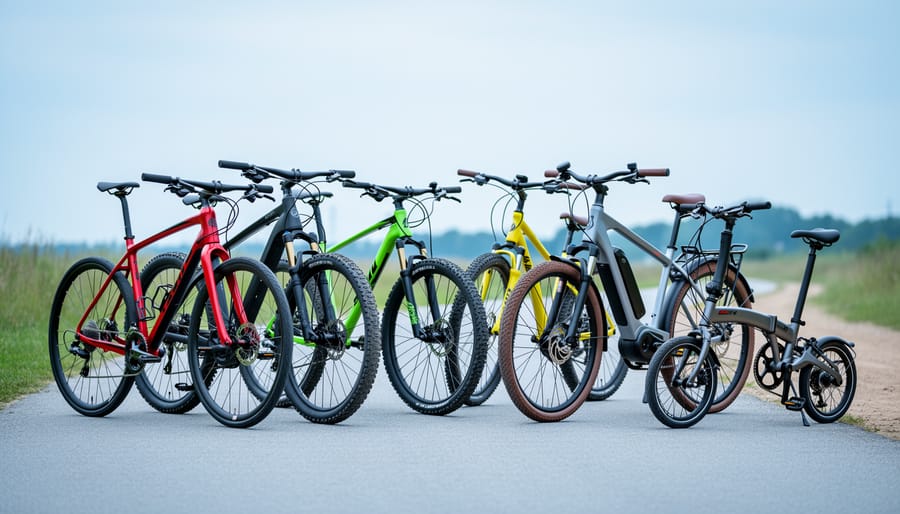
The right bike depends on where you want to ride and what you want from it. Road bikes suit smooth pavement and long, fast miles. Mountain bikes handle rough trails with confidence. Hybrids cover everyday riding on a bit of everything, while gravel bikes stretch that range onto dirt roads and mixed surfaces. Electric bikes add a motor boost for hills and commutes, cruiser and city bikes keep things relaxed for errands and easy outings, and folding and specialty bikes (compact, cargo, and adaptive) solve very particular needs like tight storage or hauling kids and groceries.
That’s seven types, and each one makes sense for a different kind of rider. We chose these categories because they’re the ones you’ll actually see in bike shops and on local paths, and because together they cover the most common reasons people get on a bike: fitness, commuting, adventure, fun, and getting around without a car.
Whether you’re buying your first bike or coming back after years away, there’s no wrong starting point, and no type that’s “too much” or “not serious enough.” Below, you’ll find what each bike is, who it suits, and the benefits it brings, followed by a side-by-side comparison and answers to common questions. Let’s find the one that fits your life.
How We Chose These Seven Bike Types (and Why There’s No ‘Wrong’ Choice)
This list isn’t a ranking, and it has nothing to do with price tags or prestige. We picked these seven types because together they cover the goals women most often bring to cycling: getting to work, building fitness, chasing adventure, or simply having fun. If you’re curious how each style fits into the bigger picture, our guide to different kinds of biking is a good companion read.
As you go through each type, keep a few simple questions in mind:
- Where will you ride most: city streets, paved paths, gravel roads, or trails?
- How often do you picture yourself riding?
- How far do you want to go on a typical outing?
- How upright and cushioned do you want to feel?
- Do you have space to store the bike, or need it to fold away?
- What budget feels comfortable, including a helmet and basic gear?
Don’t worry if your answers feel fuzzy. Bike categories overlap quite a bit, and plenty of riders happily mix terrains on one bike. Nobody needs to be an expert to choose well, and there really is no wrong starting point.
One more thing that matters across every type: fit. A bike that suits your body feels easier, safer, and far more fun to ride. Some brands offer women-specific geometry, which can be a great option if it feels right to you, but it’s a choice, not a requirement. Try a few bikes and trust what feels comfortable.
1. Road Bikes: Built for Speed, Distance, and Smooth Pavement
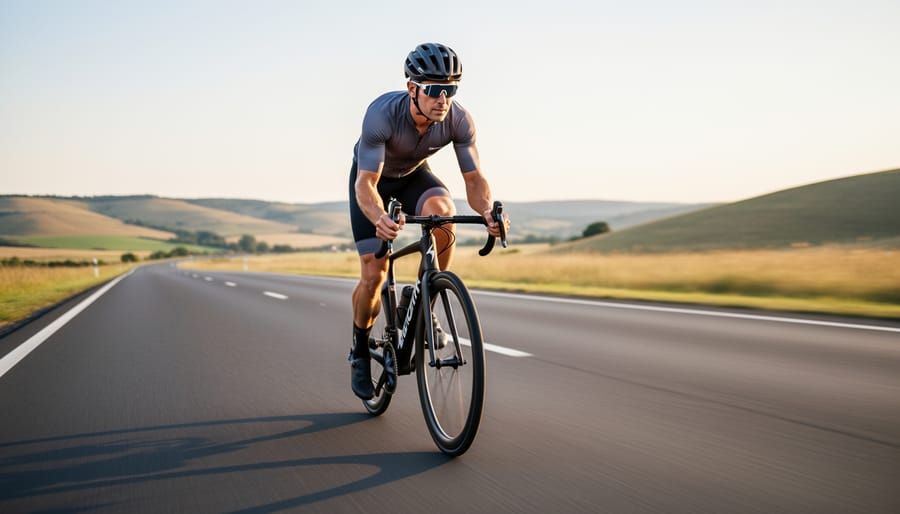
A road bike is built for one thing: covering ground efficiently on pavement. You’ll spot one by its drop handlebars (the curved bars that let you ride in several hand positions), a lightweight frame, and skinny, smooth tires that roll with very little resistance. Together, those features make every pedal stroke count for more.
Road bikes are a favorite with fitness riders, group-ride fans, and charity ride participants, plus anyone who loves the feeling of watching the miles roll by. Because they’re so efficient, you can ride farther and feel stronger doing it. That’s great for cardiovascular fitness, and it’s also what makes club and social rides so welcoming. Many clubs run no-drop rides, where the group waits for everyone, so you never have to worry about being left behind.
There are trade-offs, and they’re worth knowing. The riding position leans you further forward than on a cruiser or hybrid, which can feel unfamiliar at first, and those narrow tires prefer smooth roads over gravel or rough paths. A good bike fit goes a long way, and most shops will adjust the saddle and handlebars for you.
Picture someone like Dana, who borrowed a friend’s road bike to try a charity ride. She expected to feel wobbly and out of place. Instead, by mile ten she was chatting with strangers, surprised at how quickly the bike carried her along. By the finish, she was already looking up the next ride.
2. Mountain Bikes: Trail Adventures and Confidence on Rough Terrain
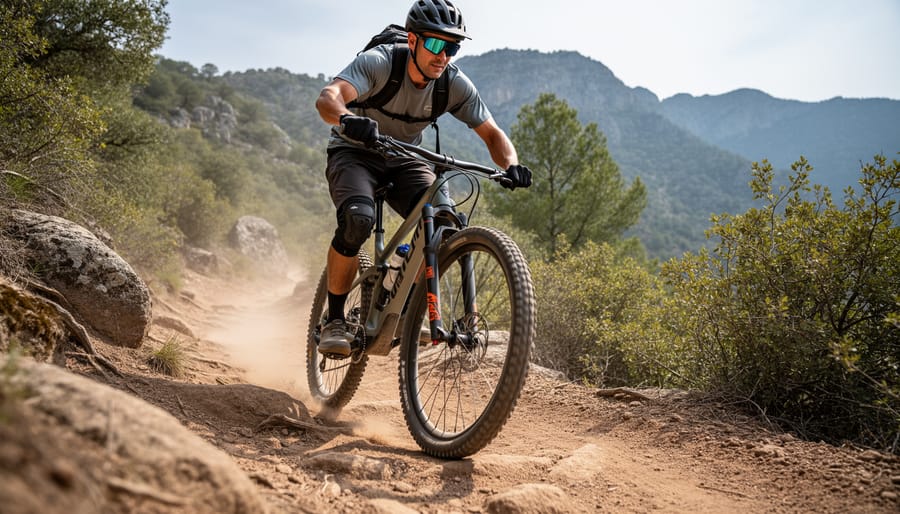
A mountain bike is built to handle ground that isn’t smooth. You’ll spot one by its wide, knobby tires, which grip dirt, roots, and loose gravel, plus an upright riding stance that keeps you balanced and in control. Most have suspension to soak up bumps and strong brakes to help you slow down on steep or slippery descents. Keeping those brakes working well matters, so it’s worth learning how to clean brake pads and keep your stopping power reliable.
You’ll see two main styles. A hardtail has suspension only in the front fork, which makes it simpler, lighter, and usually more affordable. A full-suspension bike cushions both ends, giving extra comfort and control on rougher, more technical trails. For most beginners, a hardtail is plenty.
These bikes suit everything from gentle forest paths and gravel trails to twisty, rocky singletrack, which is simply a narrow trail just wide enough for one bike. Along the way, you’ll build leg and core strength, clear your head, and spend real time outdoors. There’s also a special kind of pride that comes from clearing a tricky section you once walked.
If you’re new, start on mellow, beginner-friendly trails and let your skills grow at your own pace. Walking a tough spot is completely fine. Look for women’s skills clinics and group rides in your area, where you can learn techniques like braking and cornering in a supportive, welcoming crowd.
3. Hybrid Bikes: The Do-It-All Choice for Everyday Riding
Think of the hybrid as the friendly middle ground between a road bike and a mountain bike. It borrows the lighter frame and easy rolling feel of a road bike, then adds the upright seat position and sturdier build you’d find on a trail bike. The result is a bike that feels comfortable the moment you sit on it.
Most hybrids come with medium-width tires, which are smooth enough for city streets and bike paths but tough enough for packed dirt and light gravel. You sit tall, with your hands on flat handlebars and your eyes up, so you can see traffic, chat with a riding buddy, or just enjoy the view. There’s no hunching over and no aching wrists after a short spin.
That’s why hybrids are such a welcoming place to start. If you’re new to cycling, coming back after years away, or simply want one bike that handles errands, fitness rides, and relaxed weekend outings, a hybrid covers it all. Many riders also use one to figure out what they enjoy before exploring other styles, and some end up deciding on gravel over road once they know what kind of terrain they love.
The real beauty is how low-pressure it feels. Shifting is simple, the riding position is natural, and nobody expects you to wear special gear. You just hop on and go.
4. Gravel Bikes: For Mixed Surfaces and Off-the-Beaten-Path Exploring
Think of a gravel bike as a road bike that decided to go on an adventure. It keeps the drop handlebars and efficient feel of a road bike, but adds wider tires, a more relaxed, stable geometry, and plenty of mounts for racks, bags, and water bottles. The result is a bike that feels comfortable when the pavement ends and the road turns to dirt.
Gravel bikes suit riders who want to explore dirt roads, quiet country lanes, and forest service tracks without committing to full-on mountain biking. They’re also a favorite for bikepacking, which simply means multi-day bike trips where you carry your camping or overnight gear in bags attached to your bike. You don’t need to go far to enjoy one, though. A Saturday spin that mixes a paved bike path with a gravel shortcut is a perfect start.
The real draw is freedom. You’re not tied to smooth roads or traffic, so you can follow curiosity wherever it leads and ride a different route every weekend. Gravel events and group rides are also growing quickly, and many are famously friendly, with a “ride at your own pace” spirit that welcomes beginners.
Because gravel bikes handle so many surfaces, many riders find one bike covers most of what they want to do.
5. Electric Bikes: Extra Power for Hills, Commutes, and Confidence
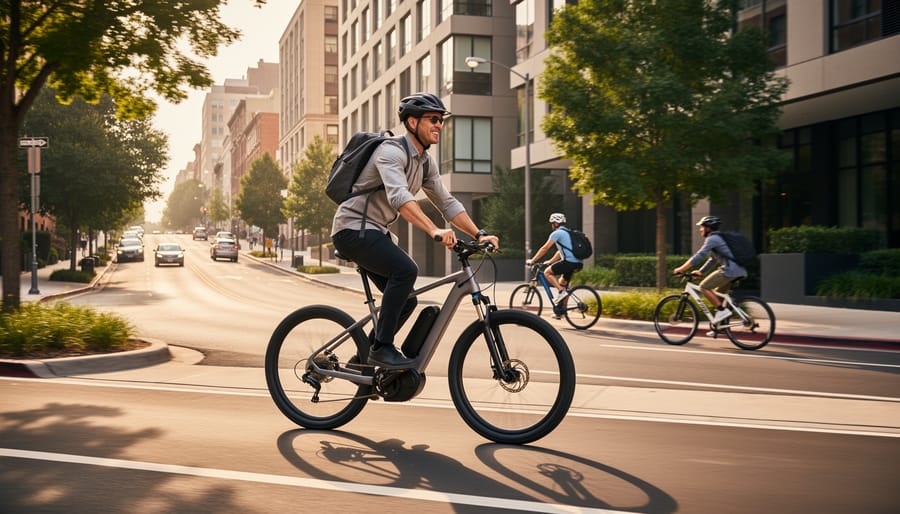
An electric bike looks a lot like a regular bike, with one big difference: a small motor that gives you a boost while you pedal. The key word is assist. You still turn the pedals, and the motor simply adds power, so a steep hill feels like a gentle rise and a headwind feels less personal.
That makes e-bikes a great fit for commuters who don’t want to arrive sweaty, riders returning after time away, and anyone managing health considerations or building stamina. They also help friends and couples who ride at different fitness levels stay together, since the stronger rider can ease off the assist and the other can dial it up.
If you’ve heard that e-bikes are “cheating,” here’s a better way to see it: you’re still getting outside, moving your body, and enjoying the ride. Many riders find they go farther and more often, and some swap short car trips for bike trips without a second thought. Getting more people on bikes is the whole point.
A few practical notes before you shop:
– Weight: E-bikes are heavier than standard bikes, which matters if you need to lift one onto a rack or carry it upstairs.
– Battery range: Distance per charge varies with terrain, assist level, and rider weight, so check what a bike realistically offers.
– Cost: Prices run higher than for most traditional bikes, though many riders see it as an investment in a car-free option.
Test riding is the best way to find the assist level that feels right for you.
6. Cruiser and City Bikes: Relaxed Rides for Errands and Easy Outings
Cruiser and city bikes are all about comfort and ease. You sit tall, your hands rest naturally in front of you, and the whole setup invites you to look around instead of hunching over the handlebars. Many have a step-through frame, which means no swinging a leg over a high bar. That’s a real plus if you’re wearing a skirt, carrying bags, or just want to hop on and off easily at every stop.
The practical extras are what make these bikes shine for daily life. Fenders keep splashes off your clothes, a rack or basket handles groceries and market flowers, and a chain guard protects your trousers. You can ride in your regular clothes, no padded shorts or special shoes required.
Picture a Saturday morning: you roll to the farmers market, tuck a loaf of bread and a bunch of tulips into your basket, then coast to your favorite café. No speed goals, no stats, just fresh air and a little time to yourself.
That gentle pace does wonders for your mood, too. A short, easy ride can clear your head and turn a routine errand into something you look forward to.
And here’s the part worth saying plainly: casual cycling counts. Riding slowly for the joy of it is every bit as valid as training for a long-distance event.
7. Folding and Specialty Bikes: Compact, Cargo, and Adaptive Options
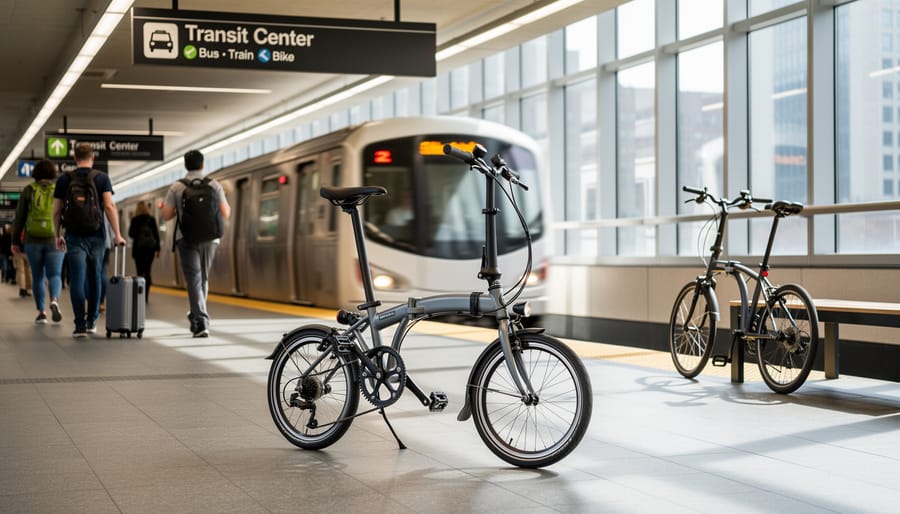
Not every great bike looks like the others, and that’s the best part. This last group is all about fitting cycling into your real life, whatever your space, schedule, or body needs.
Folding bikes are the star of small-space living. They collapse in under a minute, tuck under a desk or into a closet, and ride onto trains and buses without a fuss. If you live in an apartment with no bike storage, or you combine cycling with public transit, a folding bike can be the difference between riding often and never riding at all. The small wheels feel zippy around town, though they’re less smooth on rough roads than a full-size bike. They also travel well, so tossing one in a car trunk for a weekend away is easy.
Beyond folders, a few specialty bikes are worth knowing:
– Cargo bikes have a long frame or front box built to carry kids, groceries, or gear, making them a real car-trip replacement for busy families.
– Adaptive and recumbent trikes offer three-wheeled stability and a supportive, reclined seat, welcoming riders who need extra balance, back support, or a different way to pedal.
These bikes prove that cycling really is for everybody.
Quick Comparison: Which Bike Fits Your Riding Style?
Here’s a quick cheat sheet to match your goals to a bike. Road bikes suit speed and distance on smooth pavement, with a sportier, forward-leaning feel. Mountain bikes handle trails and rough terrain, with a sturdy, upright ride. Hybrid bikes cover paths and streets comfortably, which makes them a friendly all-rounder. Gravel bikes tackle dirt roads and mixed surfaces with relaxed, stable comfort. Electric bikes take the edge off hills and long commutes with extra pedal assistance. Cruiser and city bikes shine on flat errands and easy outings, with the most laid-back seat of the bunch. Folding and specialty bikes fit tight spaces, cargo loads, or adaptive needs.
Not sure about the physical demands? If you’re wondering is cycling low impact the answer is generally yes, and some riders add compression pants for extra comfort on longer rides.
Plenty of riders end up owning more than one bike, so start with the one that matches today’s rides.
Common Questions About Choosing a Bike
Choosing a bike can feel like a lot, so here are the questions new riders ask most. Short answers below, and none of them require expert knowledge.
Do I need a women’s-specific bike?
No. Some riders find women-specific geometry more comfortable, but it’s an option, not a requirement. Fit matters far more than the label, so try a few and trust how they feel.
What’s the best bike for a total beginner?
A hybrid is a friendly starting point thanks to its upright, comfortable position. A cruiser or city bike works well too if your rides will be short and relaxed.
How much should I spend, and is used okay?
Spend what feels comfortable, and know that a used bike is a perfectly smart way to start. Have a shop check it over before you buy.
How do I know if a bike fits me?
You should be able to stand over the frame, reach the handlebars without strain, and pedal comfortably. A test ride and a quick chat with a bike shop can confirm it.
As for whether one bike can do everything, a hybrid or gravel bike comes closest, but many riders end up with more than one over time. That’s normal. Start with the bike that matches the riding you’re most excited about today.
Finding the Bike That Makes You Want to Ride
The best bike isn’t the fanciest or the fastest. It’s the one that matches what you want to do and makes you excited to get outside. Whether you picture quiet neighborhood spins, dirt-road detours, or a lighter commute, each type opens up its own way of riding, and starting simple is perfectly fine.
So test ride a few, ask every question you can think of, and come join the community. We’re glad you’re here.