Month: October 2026

Why Research Peptides Are Showing Up in Cycling (And What You Need to Know)

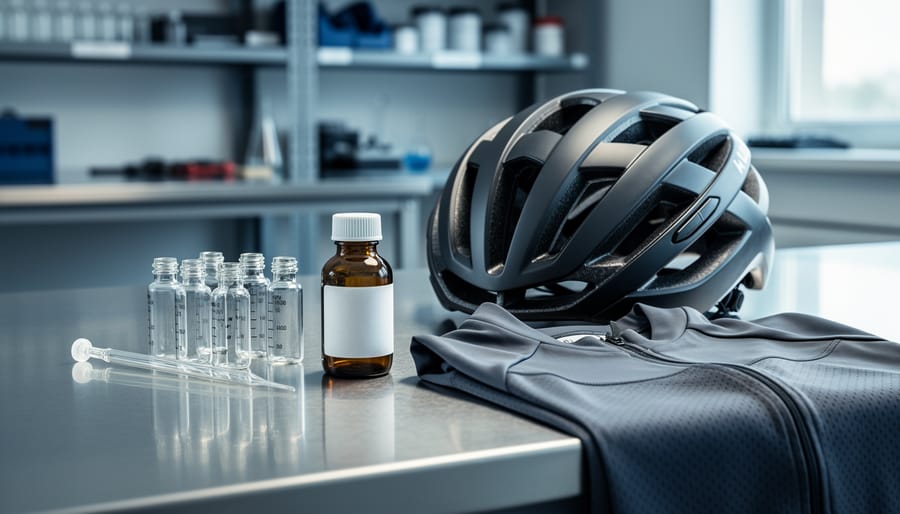
“Laboratory glass vials and a pipette on a workbench next to a cycling helmet and training jersey, representing research peptides appearing in cycling conversations.”

Research peptides are synthetic chains of amino acids sold online for laboratory and experimental use, not for human consumption. If you’ve come across ads for a Kylo Peptides online store or similar vendors while browsing cycling forums or fitness content, you’re not alone. These products have crept into conversations around athletic performance, recovery, and endurance, marketed with vague promises and little regulatory oversight.
Here’s what you need to know: research peptides exist in a legal gray area. They’re not approved by the FDA for personal use, and sellers …

Perimenopause vs. Menopause: Key Differences and Which Stage You’re In

Cyclist in her late 40s standing beside her road bike outdoors, representing perimenopause and menopause transition and adapting training.

The key difference is timing: perimenopause is the transition phase when your hormones begin to fluctuate and periods become irregular, while menopause is the specific point when you’ve gone 12 consecutive months without a period. Understanding which stage you’re in matters because the symptoms, intensity, and duration vary dramatically, and for those of us who ride, these hormonal shifts can affect everything from recovery time to heat tolerance on the bike.
If you’re between 40 and 50 and noticing changes in your cycle, you’re likely in perimenopause, a phase that can last up to 10 years. Your estrogen …

How to Create a Brake Pad Replacement Schedule That Works for Your Riding

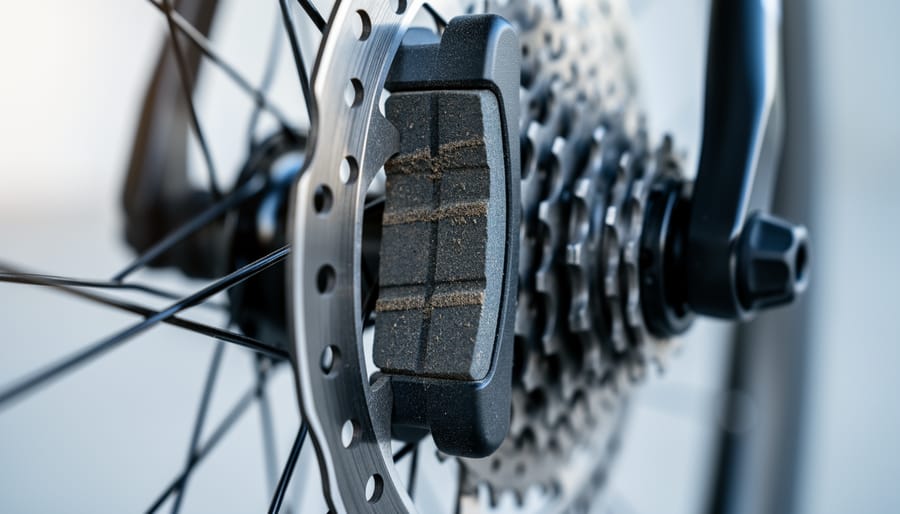
“Close-up macro of worn bicycle disc brake pads inside the caliper with the rotor visible.”

Your brake pads need replacing when the pad material measures 3mm thick or less, or when you notice reduced stopping power, squealing sounds, or visible scoring on the braking surface. Most riders replace their pads every 500 to 2,000 miles, but your personal schedule depends on terrain, weather, and how aggressively you ride.
Key Takeaway: Check your brake pads every month by looking for pad thickness below 3mm, listening for squealing or grinding sounds during braking, feeling for reduced stopping power, and inspecting your rims or rotors for grooves or damage. Any one of these signals means…

Close

Subscribe